In Edmonton a working heater is safety equipment — it's what keeps your windshield clear at -30. We fix the whole climate system: cabin heat, engine cooling and A/C, with the diagnosis done before the parts go on.
Heating, cooling and air conditioning are one system doing three jobs — warming the cabin, keeping the engine from cooking itself, and drying the air that reaches your glass. They share the same coolant, the same box under the dash and, on most vehicles, the same fan. We work on all of it at 12940 53 Street NW: thermostats, heater cores, blend door actuators, blower motors and resistors, water pumps, radiators, fans, coolant, compressors and condensers. Vehicles come to us from across Edmonton and the towns around it — Sherwood Park, St. Albert, Leduc, Spruce Grove, Fort Saskatchewan, Beaumont and Nisku — and from November on most of them arrive with the same sentence: the heat quit. Eskimo Auto Repair is AMVIC-licensed, and every job is quoted before we start, with the diagnosis settled first so you are not paying to swap parts at a guess. If that's yours this week, call (780) 482-2424.
No Heat in an Edmonton Winter: The Five Causes Behind Almost Every Call
Five causes account for almost every no-heat call that comes in once it drops below -20. A thermostat stuck open means the engine never builds real heat at -25, usually with a P0128 code to match, and it costs you fuel economy and engine wear all winter. Low coolant from a slow leak shows up in the cabin first, because the heater core sits high in the system — heat fades at idle and returns at speed, and air trapped after a leak or a rushed repair behaves exactly the same way, which is why the fix there is a proper refill and bleed rather than parts. Third is a heater core, plugged with scale or leaking into the dash. Fourth is a blend door actuator that has stripped its gear teeth. Fifth is a blower motor and resistor losing one fan speed at a time, which you notice as weak airflow rather than cold air. Each of the five has its own fingerprint, and finding the right one first is the difference between a cheap fix and a parts-swapping spiral. We settle which one it is on the first visit, not the third.
That Clicking Behind the Dash Is a Blend Door Actuator
A blend door actuator is a small geared electric motor buried in the dash. It swings the flap that decides how much air crosses the heater core and how much crosses the A/C evaporator, which is how your temperature dial works. The gears are nylon, and when the teeth strip the motor keeps hunting for a position it can't reach — that's the click, tick or tap behind the dash, usually right after you turn the key or change the temperature. The other symptoms are hot air on one side and cold on the other, or a temperature setting stuck where it last worked. Engine temperature stays normal, and that's the tell that separates this from a cooling fault. The part itself isn't expensive. What decides the bill is where it sits: some are behind the glovebox, others are buried deep enough in the HVAC box that the dash has to come apart. The mode door is the other flap in there; it decides whether air leaves at the vents, the floor or the windshield, and its actuator fails the same way with a different symptom. We tell you which one yours is before we quote it.
Heater Core Replacement: Why the Labour Is Most of the Bill
The symptoms arrive as a set: a sweet smell in the cabin, a greasy film on the windshield that won't wipe clear, damp carpet on the passenger side, and coolant disappearing with nothing visible under the hood. That combination points at the heater core, a small radiator inside the HVAC box with hot coolant running through it whenever the engine is warm. Coolant vapour in the cabin isn't something to breathe long-term, so it gets confirmed and repaired rather than watched. Confirmed is the important word, because of access. On many vehicles the dash, the steering column and the HVAC box all have to come out, so the labour rather than the part is most of the bill, and nobody should pull a dash on a guess. When a core is plugged instead of leaking, a flush sometimes brings it back, and that gets tried first. If it does need replacing, we price the core and, where it makes sense, a complete heater box through Eskimo Auto & Truck Parts, and let you pick. Either way the hoses, clamps and coolant go in with it, and the case drain gets cleared while everything is open.
Coolant Types: Why Mixing Green, Orange and Pink Is a Real Problem
Coolant isn't one product. There are three broad chemistries — IAT, OAT and HOAT — sold in green, orange, pink, blue and yellow, and the colour is marketing. The specification in your owner's manual is the part that matters. Mix incompatible chemistries and the additive package can drop out of suspension into a gel that plugs the narrowest passages first: the heater core and the radiator, the two worst things in the system to have plugged. It also strips the corrosion protection that keeps aluminum, water pump seals and gaskets alive. Repeated top-ups from a universal jug are how a heater core plugs. The water side matters too: concentrate has to be cut with distilled water, not tap, and a system topped up with plain water all summer loses the freeze protection you need in February. Some makes are fussier still, and we look up the specification for yours rather than reaching for the universal jug. Coolant ages out on its own too: the corrosion inhibitors deplete over years, and old coolant quietly eats water pumps, radiators and heater cores from the inside. We put in what the manufacturer specifies, and we tell you what went in.
Water Pump and Thermostat Replacement — and Why Plugging In Stops Helping
A water pump usually warns you before it strands you. The tells are a bearing whine that rises and falls with engine speed, a drip or a crusty coloured stain at the weep hole under the pump, play in the pulley, and coolant loss with no hose or radiator leak to show for it. What matters most is where the pump lives. If it's driven by the timing belt or chain, the labour to reach it is most of the job, so the thermostat, the belt or tensioner, the hoses and fresh coolant all go in at the same time — doing them separately means paying for the same access twice. Thermostats fail in both directions and our winters kill them both ways: stuck open is the cheap, boring failure people put off all winter, and stuck closed is the one that cooks an engine in a few kilometres. There is a cold-start angle people miss, too. A block heater warms the coolant, so when the coolant is low or the thermostat is stuck open, plugging in warms the radiator instead of the engine and buys you less than it should.
Cooling System Pressure Test and Block Test: Confirming a Head Gasket
If the gauge has already climbed, our engine overheating guide covers the roadside decision and what each repair tier costs. This is what happens once the vehicle is in the bay. A cooling system pressure test puts the system under the pressure the rad cap is rated for while the engine is cold, and then it is a matter of watching the gauge: a system that bleeds down over fifteen minutes has a leak even with nothing dripping on the floor, because a small leak onto a hot engine flashes off as steam before it ever reaches the ground. UV dye finds the rest. A block test answers the head gasket question with chemistry — the test fluid changes colour when combustion gas is reaching the coolant — so nobody gets quoted thousands on a hunch. Then the rad cap, which lowers the system's boiling point the day it stops holding pressure, and fan operation checked at temperature rather than in the parking lot. An engine that has already been driven hot gets checked for what the overheat took with it, not only for what caused it. Diagnostic time is $120 an hour, quoted before we start.
A/C in a Cold Climate: Dried Seals, and Why Your Defroster Needs It
The compressor shaft seal and the system O-rings are lubricated by oil that circulates with the refrigerant. Switch the A/C off in September and leave it off until May and those seals dry out and harden, which is why a system that worked fine last fall comes out empty in the spring. Running the A/C, or just the defrost setting, for a few minutes a month keeps oil moving across them. Defrost is the other half of the argument. On most vehicles pressing defrost engages the compressor automatically, because A/C is a dehumidifier, and drying the cabin air is what clears fogged glass fast. A system low enough to trip the low-pressure lockout won't engage the compressor at all, so you lose fast defrost in January, not just cold air in July. A proper service isn't a can of refrigerant from the parts store. We test system performance, find leaks with dye and electronic detection, repair the leak, then evacuate and recharge to the exact weight. A performance test and recharge typically runs $150–$350 depending on the vehicle; newer vehicles (roughly 2015 and up) use R1234yf refrigerant, which costs several times more than the old R134a.
A/C Compressor or Radiator Replacement Cost on an Older Vehicle
Sometimes the honest answer is that it isn't worth doing. A dash-out heater core, or a compressor on a high-kilometre vehicle, can cost more than the vehicle is worth no matter what the parts cost, and if that is where yours lands we will say so instead of booking the job. Where the repair is worth doing, the parts side helps. Our sister company, Eskimo Auto & Truck Parts, is one of Edmonton's largest auto recyclers and parts operations, which puts recycled genuine OEM compressors, condensers, radiators, blower motors and complete heater boxes within reach — the same parts the vehicle left the plant with, at a real discount from new. That is usually what decides a compressor on a fifteen-year-old sedan, a radiator on a truck you're keeping two more winters, or a heater box on something with 300,000 km showing. If you're keeping the vehicle, we'll also tell you what else in the system is close to going. If you're selling in the spring, say so; the right repair on a keeper isn't always the right one on a trade-in.
Signs you need this service
- The heater blows lukewarm or cold, or only warms up once you're out on the highway
- The engine temperature gauge never reaches the middle — usually a thermostat stuck open
- Windows fog up and won't clear, even with the defrost on full
- A sweet smell in the cabin or a greasy film on the windshield that won't wipe off — a leaking heater core
- A click, tick or tap behind the dash, or heat on one side and cold air on the other — a blend door actuator
- A whine that rises and falls with engine speed, or a crusty coloured drip at the front of the engine — the water pump
- Airflow is weak on every setting, or the blower only works on some fan speeds
- The A/C blows warm, or starts cold and fades after a few minutes
- The engine runs hot in stop-and-go traffic, when towing, or with the A/C on
- You're topping up coolant and can't see where it's going
What's included
- Heating diagnosis and repair — thermostats, heater cores and blend door actuators, with the access explained before you get a quote
- Blower motor, resistor and HVAC control head diagnosis when airflow is weak or fan speeds drop out
- Cooling system repairs: water pumps, radiators, hoses, fans and leaks
- Coolant replaced with the chemistry the manufacturer specifies, and we tell you what went in
- Proper bleed or vacuum fill, with freeze protection verified to about -45
- Cooling system pressure testing and block testing, so a head gasket is confirmed rather than assumed
- A/C performance testing and leak detection with dye and electronic tools
- A/C evacuation and recharge to the exact weight the system calls for, both R134a and newer R1234yf
- Compressor, condenser and evaporator replacement, with recycled genuine OEM sourced through Eskimo Auto & Truck Parts
- Cabin air filter replacement when weak airflow points at a plugged filter rather than a failing blower
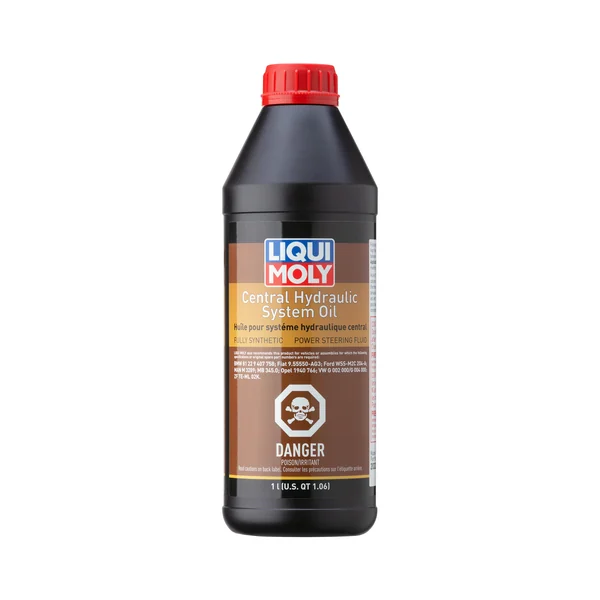
The Liqui Moly we use for heating, cooling & a/c
Cooling-system work we back with the right fluids.
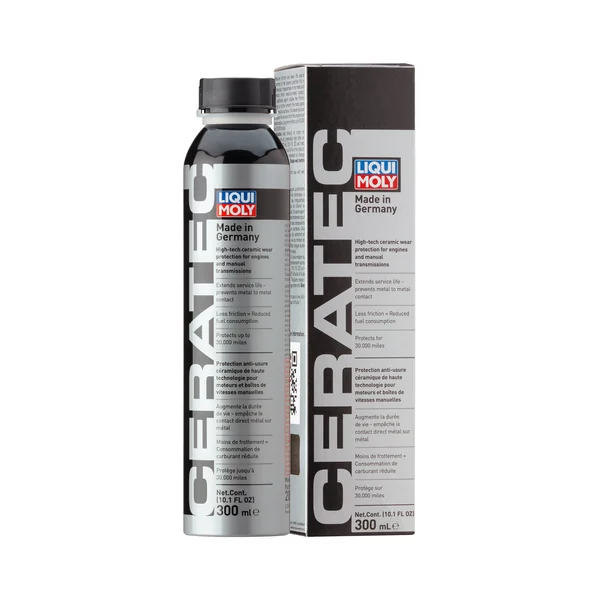
Not sure which one your engine needs? Use the oil finder or browse all our oils & additives. Free pickup in Edmonton, or we ship it.
Frequently asked questions
Why does my car take forever to warm up?
The first thing to settle is whether the engine is making heat at all or simply not delivering it. On a scan tool, coolant temperature that climbs and then stalls short of where it should sit points at the thermostat; coolant temperature that reaches normal while the vents stay cool points at the cabin side — low coolant, a plugged heater core, or a blend door that isn't moving. That split takes minutes and decides everything after it, which is why it happens before anyone orders a part.
There's a sweet smell inside and my windshield films up. What is that?
That's coolant, and it points at the heater core leaking inside the dash. Two things make it worth acting on rather than watching: the film gets worse as it gets colder, because you run the defroster more, and coolant vapour in the cabin isn't something to breathe long-term. We confirm it with a pressure test and dye before anything comes apart, since reaching a heater core is a long job. If you're adding coolant and there's nothing on the driveway, this is often where it's going.
What is the clicking noise behind my dashboard?
Almost always a blend door actuator. It's a small geared motor that moves the flap controlling your cabin temperature, and when its nylon gear teeth strip it keeps hunting and clicking, usually when you start the vehicle or change the temperature setting. The other tells are heat on one side and cold on the other, and a completely normal engine temperature. Give us the year and model and we'll tell you which actuator yours is, and what it takes to reach it, before you get a number.
How much does an A/C recharge cost in Edmonton?
A performance test and recharge typically runs $150–$350 depending on the vehicle. Vehicles from roughly 2015 onward use R1234yf refrigerant, which costs several times more per kilogram than the old R134a, so those systems cost more to fill. If the refrigerant is low, though, there's a leak — recharging without finding it is renting cold air, not fixing it.
Is topping up my A/C every summer okay?
It means you have a leak, and the yearly top-up is the most expensive way to handle it. Beyond the wasted refrigerant, a low system lets moisture in and runs the compressor with poor oil circulation — and a dead compressor turns a hose or O-ring repair into a four-figure job. Find the leak once, fix it once.
Can I just top it up with universal coolant?
We'd rather you didn't. Colour tells you nothing useful: green, orange, pink and yellow cover different chemistries, and mixing incompatible ones can drop the additives out of suspension into a gel that plugs the heater core and the radiator, the two worst things in the system to have plugged. It also costs you the corrosion protection that keeps water pump seals and gaskets alive. Bring it in and we'll put in the specification your manual calls for.
What should my coolant protect to in Edmonton?
We set and verify freeze protection to about -45. Coolant also wears out chemically — its anti-corrosion package depletes over years, and old coolant quietly eats water pumps, radiators, and heater cores from the inside. If yours has never been changed and the vehicle is more than five or so years old, it's worth testing. You do not need a flush at every oil change, and we won't sell you one.
The A/C repair quote elsewhere was more than my car is worth. What are my options?
Ask what the same repair costs with a recycled part before you write the vehicle off. On an older vehicle it is usually the part, not the labour, that made the quote unaffordable, and a recycled genuine OEM compressor, condenser or complete heater box through Eskimo Auto & Truck Parts comes in well under the new price. We'll quote your options and let you decide with real numbers.
Known problems we repair
Deep guides on the failures we see most — symptoms, honest costs, and repair options.
Ford 6.0L Power Stroke Diesel (2003-2010)
Ford 6.0L Power Stroke Diesel Problems: What Fails, What It Costs, and What's Actually Worth Fixing
Subaru 2.5L flat-four (EJ25 1996–2012, FB25 2011–2014)
Subaru 2.5L Head Gasket Failure and Oil Consumption: What Every Owner Should Know
Chrysler/Dodge/Jeep/Ram 3.6L Pentastar V6 (2011-present)
Chrysler 3.6L Pentastar V6 Problems: The Tick, Early Cylinder Head Failure and Oil Cooler Leaks
Overheating — any make
Engine Overheating in Edmonton: What to Do Right Now, What Causes It, and What It Costs
Related services
Book your heating, cooling & a/c
Call for a straight answer on cost and timing, or book online.