The short answer
At -30, transmission fluid is thick, and slightly firm or delayed shifts for the first few minutes of an Edmonton morning are common. Shifting that stays harsh after warm-up, revs that climb without the vehicle pulling, delayed engagement into Drive or Reverse, or a transmission stuck in one gear are not cold-weather quirks — they are the transmission asking for help while the repair is still at the cheap end. Slipping is the one to take most seriously: every slipping kilometre burns the clutches, and burnt clutches are the difference between a fluid-and-solenoid bill and a rebuild.
In Edmonton?
We fix this in our shop — transmission repair & replacement in Edmonton.
Call (780) 482-2424Symptoms, from first warning to failure
Firm or delayed shifts for the first few minutes at -30, then normal
Cold, thick fluid moves slowly through the valve body, and many transmissions deliberately run different shift behaviour until they warm up. If shifting smooths out within the first few minutes of gentle driving, that is winter, not a failure. The line to watch: harshness that persists after warm-up, or a cold-morning pattern that is clearly worse than last winter — both are worth a fluid check before they are worth worrying about.
A pause before Reverse or Drive engages
You shift into R or D, and there is a beat — one second, two, sometimes more — before the transmission takes up. Delayed engagement, especially when cold, is a classic early sign of low fluid, a tired pump, or worn seals bleeding off pressure. It is also one of the most fixable moments in a transmission's decline, which is exactly why it should not be waited out.
Fluid where it should not be — red or brown drips on the snow
Winter is generous in one way: fresh snow shows every leak. Transmission fluid is typically red to brown, and Edmonton's freeze-thaw cycles work seals and cooler lines hard, so leaks are common on older vehicles. Low fluid is the single most preventable cause of transmission failure — a leak fixed and topped up this month is routinely the whole story; the same leak ignored until the fluid runs low is how slipping starts.
Revs climb but the vehicle does not pull — slipping
You accelerate, the engine note rises, and the vehicle hesitates before it catches up — or never quite does. That is slippage: the clutches are no longer holding full engine torque, from low fluid, worn friction material, or pressure problems. This is the symptom that punishes waiting most, because every slipping event generates heat and burns friction material. Stop driving it hard, and get it diagnosed now — burnt fluid from prolonged slipping is often the point of no return for a repair-level fix.
Hunting between gears, refusing a gear, or banging into gear
A transmission that cannot decide — shifting up and down repeatedly on the highway, skipping a gear, or landing shifts with a bang after warm-up — usually has a control-side problem: a solenoid, the valve body, or a sensor feeding it bad information. These are frequently repairable without opening the transmission's guts, which is precisely why they should be diagnosed while they are still the whole problem.
Stuck in one gear with a check engine light — limp mode
When the computer detects a fault that could damage the transmission, many vehicles lock into a single gear (limp mode): the vehicle drives, sluggishly, revving high at road speed. It is designed to get you off the highway and to a shop, not to be commuted on. Sometimes the cause is a sensor or wiring fault — one of the cheaper outcomes on this page — but only a scan will say. Drive it gently home or to the shop, and stop there.
Burnt smell, dark fluid, or shuddering under light throttle
Fluid that smells burnt or has turned dark brown-black is evidence of overheated clutches — the transmission has been slipping, whether you felt it or not. A rhythmic shudder at steady light throttle points at the torque converter clutch. Both mean the window for cheap fixes is closing: get it diagnosed before more driving converts a repairable unit into a core.
No movement in any gear, or a grind when it tries
Engine runs, transmission engages nothing — or engagement comes with grinding or banging. Check the fluid level first if you can (a transmission run critically low can simply stop driving), but do not repeatedly rev it in gear hoping it catches: if there is a mechanical failure, that spreads debris through the unit and can take a repairable transmission to unrepairable. This one gets towed.
What actually goes wrong
Ranked by what we actually find: number one is fluid — low from a leak the winter freeze-thaw opened up, or degraded from years of never being serviced because someone said it was lifetime fluid. Everything a transmission does happens through that fluid, and both problems mimic serious internal failure while still being cheap to fix. Number two is the control side: solenoids, valve bodies, and the sensors feeding them — the usual culprits behind hunting, flaring, harsh shifts, and limp mode. Number three is genuine wear: friction material used up over a couple hundred thousand kilometres, often accelerated at the end by the fluid problems above. Torque converter shudder and cooler-line leaks round out the list. CVT-equipped vehicles (many Nissans especially) have their own failure pattern — belt and pulley wear that starts as shudder and whine — covered in our Nissan CVT guide.
The Edmonton angle is real: cold thickens fluid, and the first minutes of a -30 drive are the hardest thing a transmission does all day — pressures spike, shifts land firm, and marginal seals show themselves. That is why winter is when borderline transmissions announce their problems, and why what is normal cold behaviour versus what is a symptom matters. The honest rule: cold-morning firmness that clears with warm-up is climate; anything that persists warm, slips, or gets worse across weeks is mechanical.
What we check first at the shop, in order: fluid level and condition (colour, smell, debris — thirty seconds that shapes everything after), then a scan for codes (modern transmissions log rich data, and a sensor fault can imitate a dying transmission), then a road test to feel exactly what the complaint is. Only after that does anyone talk about opening or replacing anything. A meaningful share of transmission won't shift complaints resolve at the fluid or sensor level — which is why we diagnose before quoting, and why you should be suspicious of any shop that reaches a rebuild verdict over the phone.
Why acting early matters more here than almost anywhere else in the vehicle: a slipping clutch generates heat, heat burns fluid, and burnt fluid accelerates the wear on every other clutch — a self-feeding spiral. The same transmission is a fluid-and-solenoid repair in month one, and a rebuild-or-replace decision in month six. The gap between those two bills is the widest cheap-versus-serious spread on any page in this series, and the only variable is how long the symptom was driven on.
How the failure happens
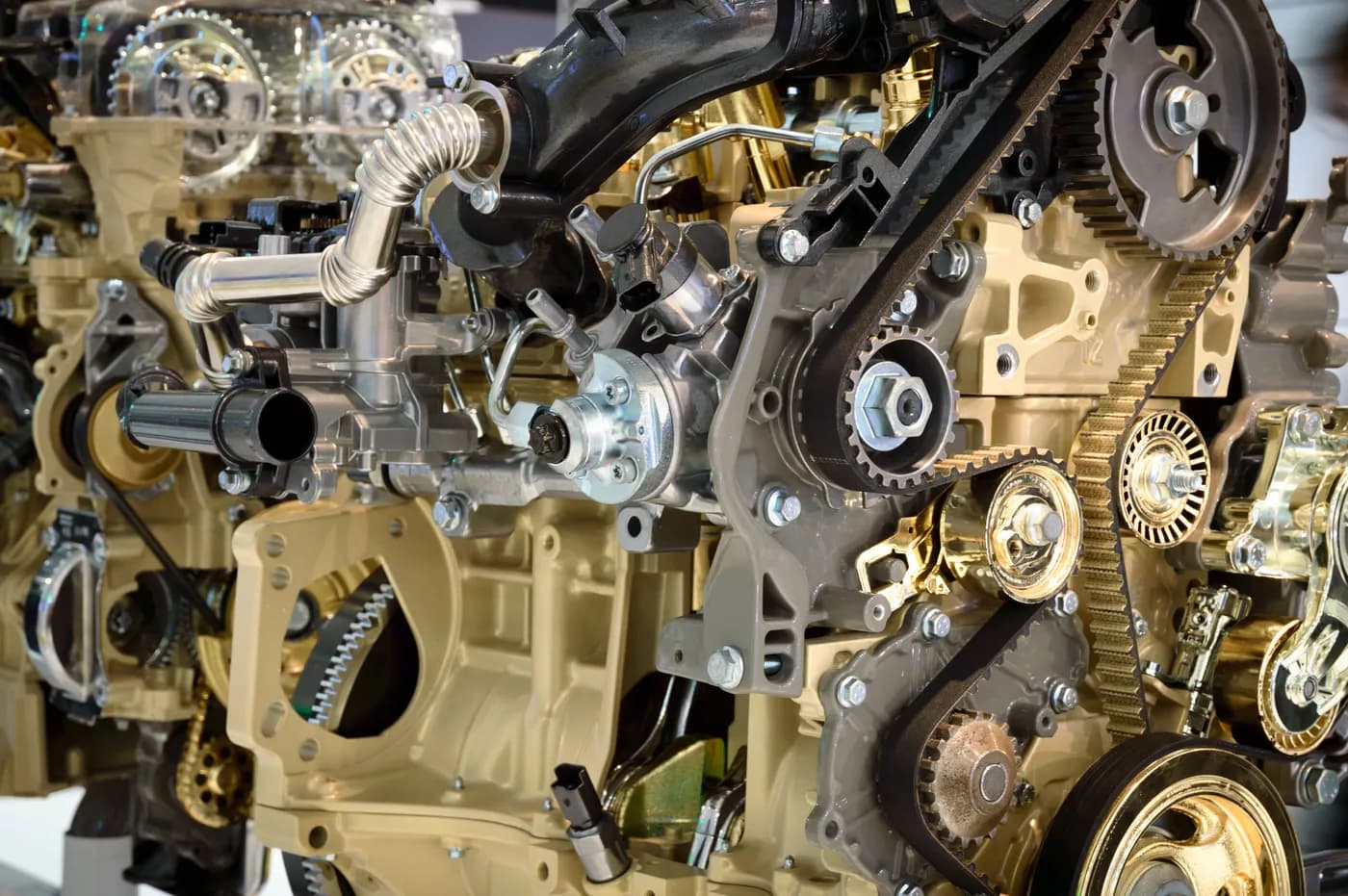
Hover the diagram — or tap a part below — to see what it does and how it fails.
What it costs to fix
Typical ranges in Canadian dollars — every vehicle is quoted individually.
Diagnosis first
$120 CAD per hour
Fluid level and condition, full scan with live data, and a road test — quoted before we start. This is the step that separates a sensor fault or low fluid from real internal wear, and it is the reason nobody here quotes a rebuild over the phone.
Fluid and filter service, leak repairs
a few hundred dollars
For shift complaints caught early — degraded fluid, a serviceable filter, a weeping cooler line or pan seal. Honest caveat, straight from our transmission page: if the unit is slipping badly or the fluid is burnt, new fluid will not rebuild worn clutches, and any shop promising otherwise is selling you a delay. We will tell you which side of that line you are on.
Solenoid, valve body, and sensor work
often under $1,500 CAD
The control-side fixes behind hunting, harsh shifts, flaring, and many limp-mode events — frequently repairable without opening the transmission itself. This tier is the reward for diagnosing early: it only stays available while the mechanical parts underneath are still healthy.
Genuine OEM replacement transmission
typically $2,500–$5,500 CAD installed
A matched genuine OEM unit sourced through our sister company, Eskimo Auto & Truck Parts — matched to your VIN, donor kilometres on record, warranty terms in writing. For most vehicles more than a few years old this is often the right value, and having one of Edmonton's largest parts operations in the family is why we can offer it properly.
In-house rebuild
typically $3,500–$6,500+ CAD
Our own techs, correcting the known weak points of your unit during assembly rather than putting it back together the way it failed. A rebuild earns its place when your transmission has a design weakness we can improve on — upgraded clutches, valve body work — or when a good donor does not exist. Heavy-duty and diesel units run higher, and CVT replacement often starts around $4,000. We lay rebuild and OEM-unit numbers side by side before you choose.
Repair it, or replace it?
Drive it, or tow it? Cold-morning firmness that clears with warm-up: drive, and mention it at your next service. Persistent harsh shifting, delayed engagement, or hunting: drive gently and book diagnosis this week — these are the cheap-window symptoms. Slipping: stop driving it hard immediately; a gentle direct trip to the shop is defensible, but every slipping kilometre is burning the clutches you are hoping to save. Limp mode: it exists to get you to a shop, gently, once — not to be commuted on for a month. No movement in any gear, grinding, or a burnt smell with shudder: tow it, and resist the urge to keep trying gears, because mechanical debris spreads with every attempt.
When it does come to replace-or-rebuild, we do both in-house, so you get a straight comparison instead of a sales pitch. A matched genuine OEM unit — typically $2,500–$5,500 installed, VIN-matched with the donor's kilometres on record — is often the right fit for most vehicles more than a few years old. A rebuild, typically $3,500–$6,500 or more, earns its place when your transmission has a known design weakness we can correct during assembly so it goes back together better than the factory built it. Diagnosis picks the lane; the quote comes in writing before anything is opened.
And sometimes the honest answer is neither. If the vehicle is worth little more than the repair, the rockers are rotting from ten winters of salt, and the engine is next in line, we will say so out loud — we would rather keep you as a customer than sell you a rebuild you will regret. Run that math with us before committing; and if the vehicle is not worth fixing, it still holds real value in its parts, which is a same-day conversation with our sister company, Eskimo Auto & Truck Parts.
How we fix this in Edmonton
Transmission Repair & Replacement in Edmonton
Transmission trouble comes with the widest range of fixes in the trade — a solenoid and a rebuild look identical from the driver's seat. We find out which one you are looking at, then price every sensible option: a repair, an in-house rebuild, or a matched used genuine OEM unit through Eskimo Auto & Truck Parts.
See the service →Transmission Rebuild in Edmonton
A rebuild is the point where a transmission stops being a repair and starts being a decision. We tear the unit down in-house, replace the torque converter and flush the coolers so the rebuild actually lasts, and we tell you straight when a good used or remanufactured unit — or walking away from the vehicle — is the smarter money.
See the service →Vehicle Diagnostics & Check Engine Light in Edmonton
A trouble code tells you what the computer noticed, not what is broken. We read the codes, look at live data, and test the actual circuit before anything gets replaced. Diagnostic time is $120 an hour, quoted before we start, because the most expensive repair is the one that didn't fix the problem.
See the service →The genuine OEM parts option
This is the page where our sister company changes the math most. Eskimo Auto & Truck Parts — one of Edmonton's largest parts operations — pulls and ships genuine OEM transmissions across Canada and the USA, matched to your VIN, with the donor's kilometres on record and warranty terms in writing. It is why we can put a genuine OEM replacement side by side with an in-house rebuild and let the numbers speak, instead of steering you at whichever one we happen to sell. If you are doing the job yourself or working with another shop, the same matched units are available direct.
Browse inventory at Eskimo Auto & Truck Parts →How to make yours last longer
- Service the fluid on kilometres, not on faith — lifetime fluid means the transmission's lifetime, which the fluid itself helps decide. If yours has never been serviced and you plan to keep the vehicle, have the fluid inspected and go from there.
- Give it the first minute at -30: let the engine settle after start-up and drive the first kilometres gently rather than loading a cold transmission hard. The block heater helps the transmission's morning too, by warming the engine bay the fluid lives under.
- Take drips seriously in winter — snow shows you every leak for free. A cooler line or pan seal fixed early is a small bill; the low-fluid slipping it prevents is the big one.
- Check the fluid when you check the oil, on vehicles that still have a dipstick: level, colour (red-brown is fine, dark and burnt is not), and smell. Thirty seconds, twice a season.
- If you tow or haul, respect the transmission cooler — heat is the number one killer of automatics, and towing is where heat comes from. Have the cooler and lines inspected as part of any towing setup.
- Act on the first week of a new symptom, not the third month — nowhere else in the vehicle does the bill grow faster between the first symptom and the surrender than in an automatic transmission.
Frequently asked questions
Is it normal for my transmission to shift hard when it's -30?
Somewhat, yes. Cold fluid is thick, and many transmissions deliberately shift differently until they warm up, so slightly firm or delayed shifts in the first few minutes of a deep-cold morning are common. The line that matters: it should smooth out with warm-up. Harshness that persists once warm, gets worse across weeks, or comes with slipping, delays into gear, or a warning light is a symptom, not a season.
My transmission is slipping. Can I keep driving it?
Treat it as urgent. Every slipping event burns friction material and overheats the fluid, and burnt clutches are the difference between a repair-level fix and a rebuild-or-replace decision. A gentle, direct trip to the shop is defensible; a few more weeks of commuting on it is how the cheap window closes. If it is slipping badly, shuddering, or smells burnt, tow it.
Will a fluid change fix my shifting problem?
Sometimes, if it is caught early — fresh fluid and a filter can clean up mild shift complaints, especially where the fluid was degraded or slightly low. But if it is slipping badly or the fluid is burnt, new fluid won't rebuild worn clutches, and any shop promising otherwise is selling you a delay. We scan it, road test it, and tell you which side of that line you are on before you spend anything.
My car is stuck in one gear and the check engine light is on. What is that?
Almost certainly limp mode: the computer detected a fault and locked the transmission into a single gear to protect it. The vehicle drives, sluggish and high-revving, by design — enough to get off the highway and to a shop. The cause ranges from a sensor or wiring fault (one of the cheaper outcomes) to genuine internal trouble, and only a scan tells you which. Drive it gently in, or tow it; do not commute on it.
What does transmission repair cost in Edmonton?
Typical honest ranges from our transmission page: fluid and filter service a few hundred dollars; solenoid and valve body work often under $1,500; a matched genuine OEM unit installed usually $2,500–$5,500; a rebuild typically $3,500–$6,500 or more. Trucks, diesels, and all-wheel-drive units run higher, and CVT replacement often starts around $4,000. Diagnosis ($120 an hour) comes first so you are paying for the right one.
Should I rebuild my transmission or replace it with a used one?
We do both in-house, so you get a straight comparison instead of a pitch. For most vehicles more than a few years old, a genuine OEM unit is often the right fit — typically $2,500–$5,500 installed, VIN-matched through our sister company with the donor's kilometres on record and warranty in writing. A rebuild earns its place when your unit has a known design weakness we can correct during assembly, so it goes back together better than the factory built it. We lay out both numbers for your vehicle before you decide.
Why did my transmission problems start in winter?
Winter is the stress test. Cold, thick fluid spikes pressures and slows the valve body, marginal seals leak where warm ones sealed, and the first minutes of a -30 drive are the hardest thing a transmission does all day. Borderline units that muddled through summer announce themselves in January. The upside: winter also makes problems visible early — drips on snow, cold-morning behaviour you notice — and early is exactly when transmission repairs are cheapest.
Real job from our shop
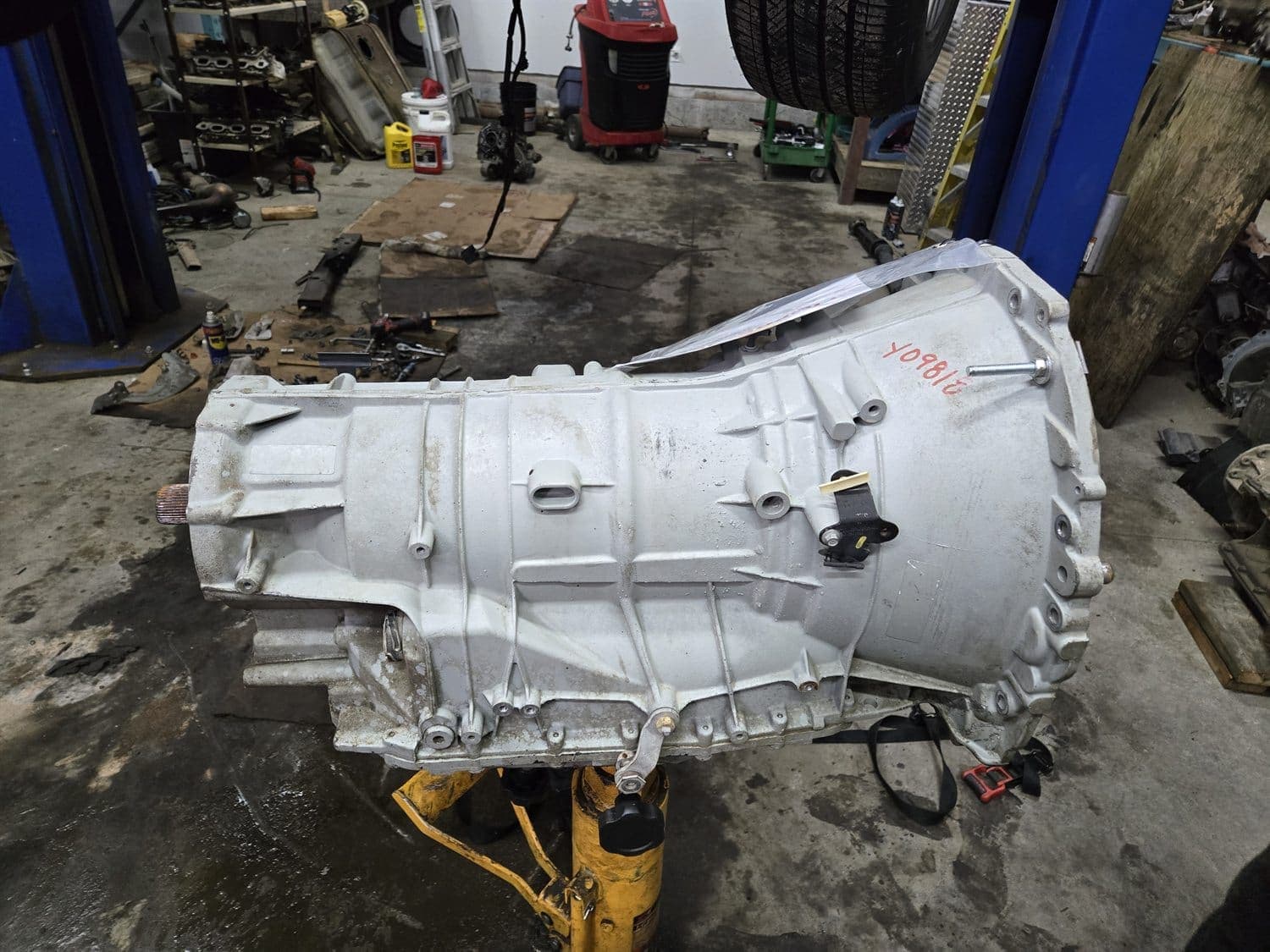
Land Rover LR4 transmission rebuild — 2014
- Came in:
- A 2014 LR4 whose 8-speed automatic needed to come out — exactly the kind of European driveline job most Edmonton shops farm out rather than take on.
- We found:
- The transmission needed to be removed and gone through, not patched around.
- Result:
- European driveline work kept under one roof and under our control. If a shop just told you your Land Rover needs a transmission, it's worth a second opinion from us first.
Dealing with this problem right now?
Edmonton and area: bring it in and we'll confirm the diagnosis before any work. Anywhere else in Canada or the USA: our sister company ships the genuine OEM parts to your shop.