
A real job from our Edmonton shop
AFM delete + oil pump — 2016 GMC Sierra 1500 6.2L
2016 GMC Sierra 1500 · 6.2L EcoTec3 V8 (L86)
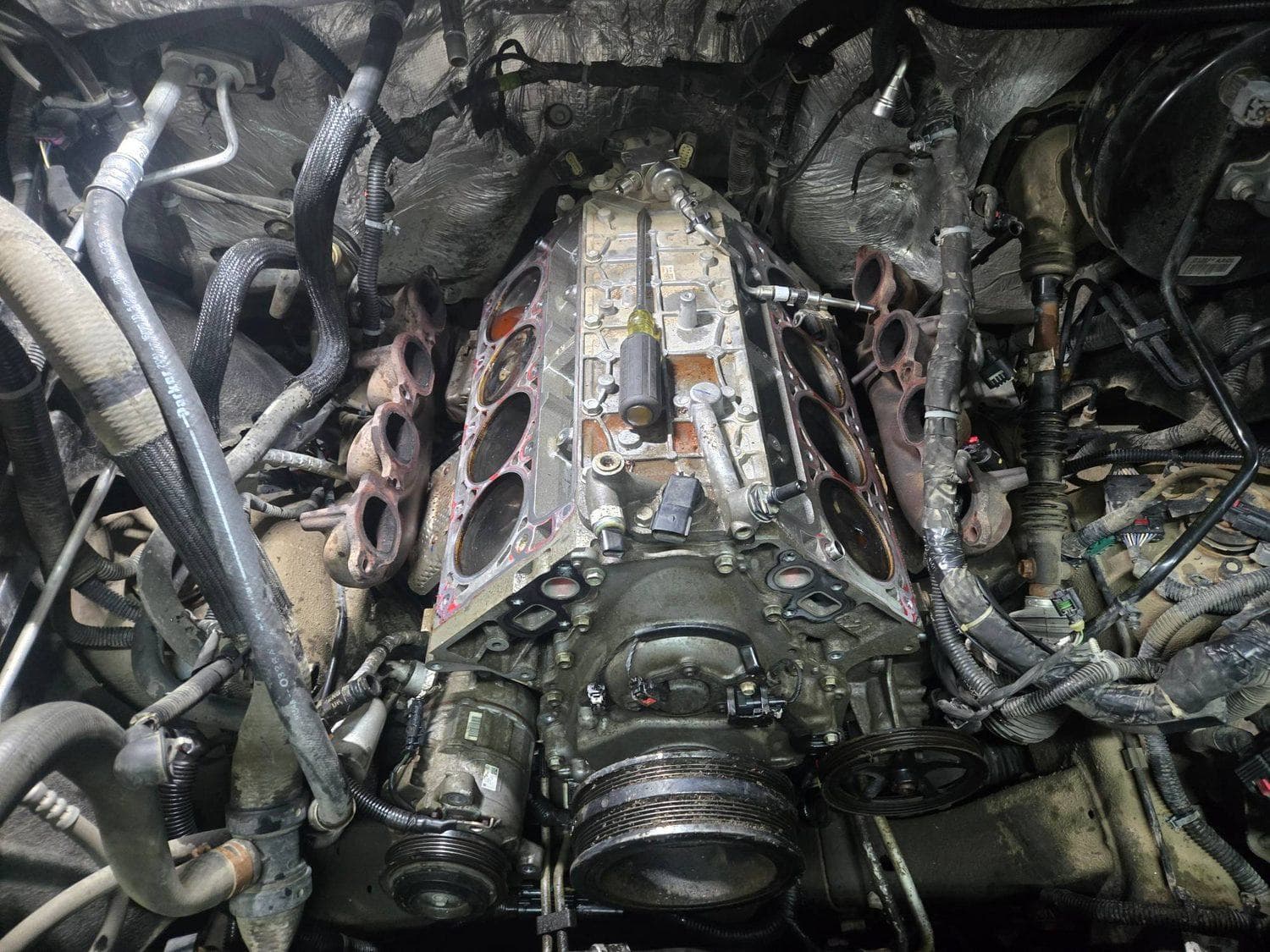
What came in
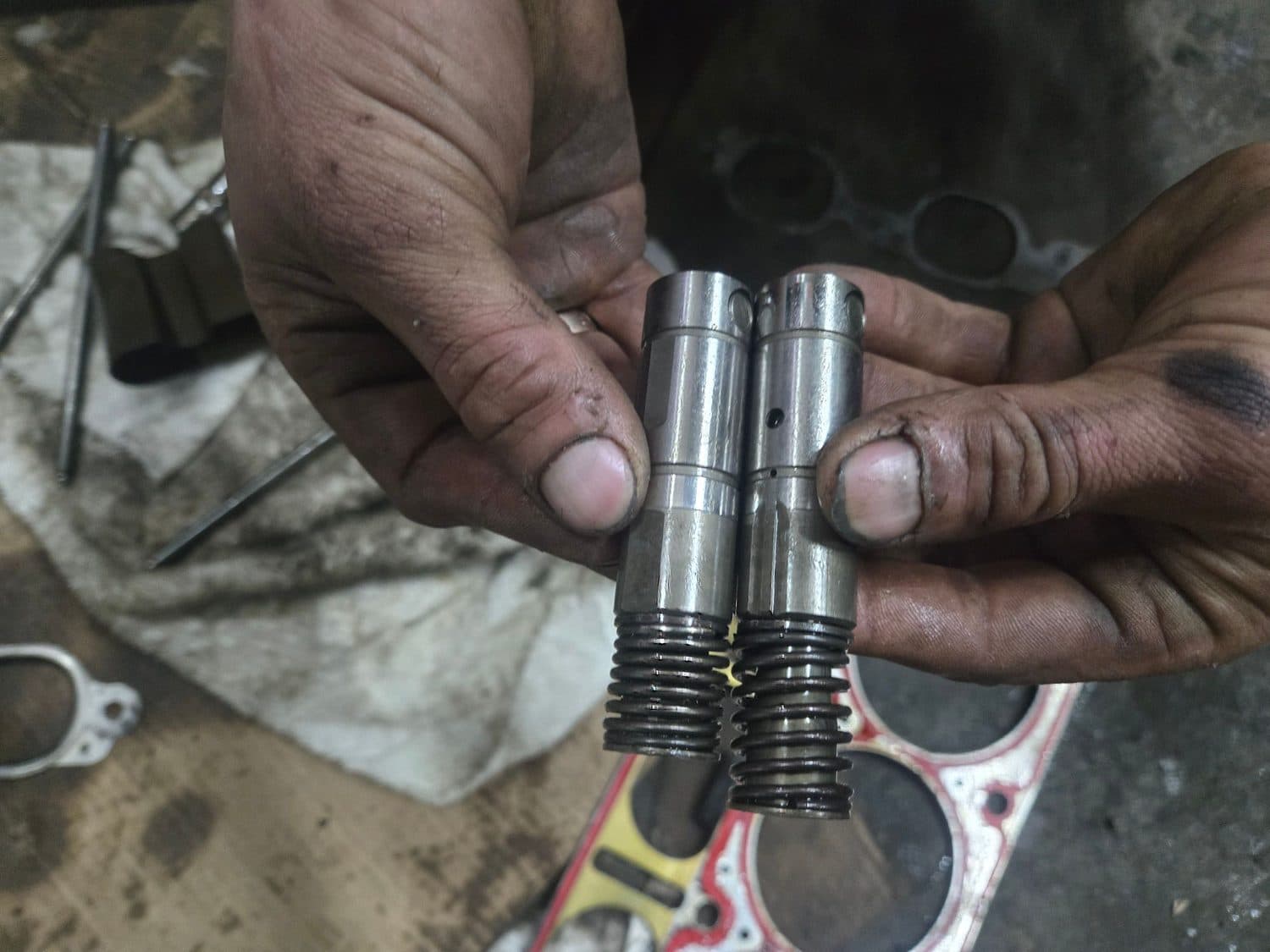
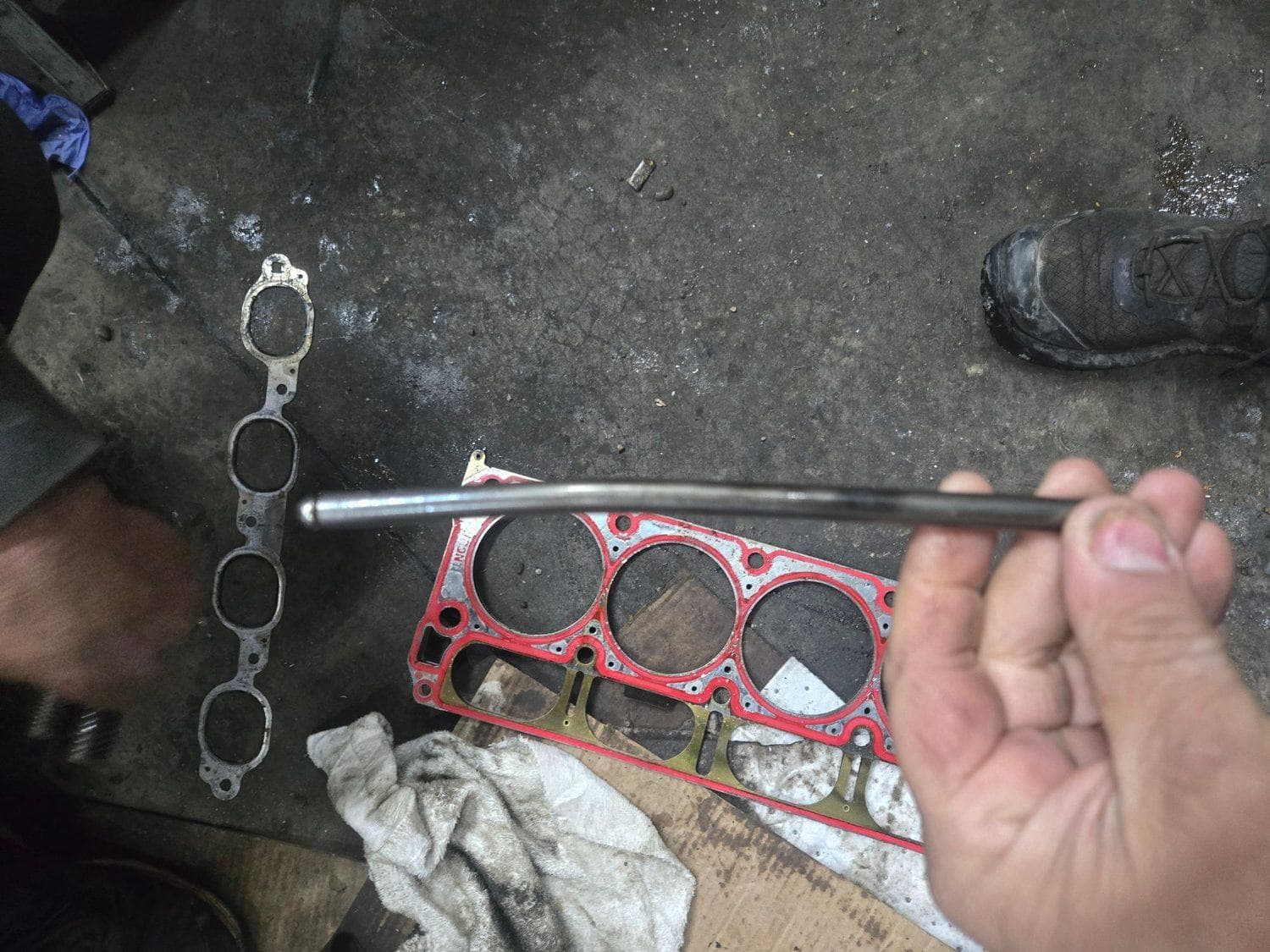
The failure GM's 6.2L EcoTec3 is known for: an Active Fuel Management lifter that collapses and stops opening its valve, leaving a dead cylinder and, usually, a camshaft lobe going with it.
What we found
Rebuilding with GM's own cylinder-deactivation hardware puts the identical failure back in the engine. The durable answer on a truck the owner intends to keep is to convert it away from deactivation while the engine is already open, because every part involved is behind the same teardown.
What we did
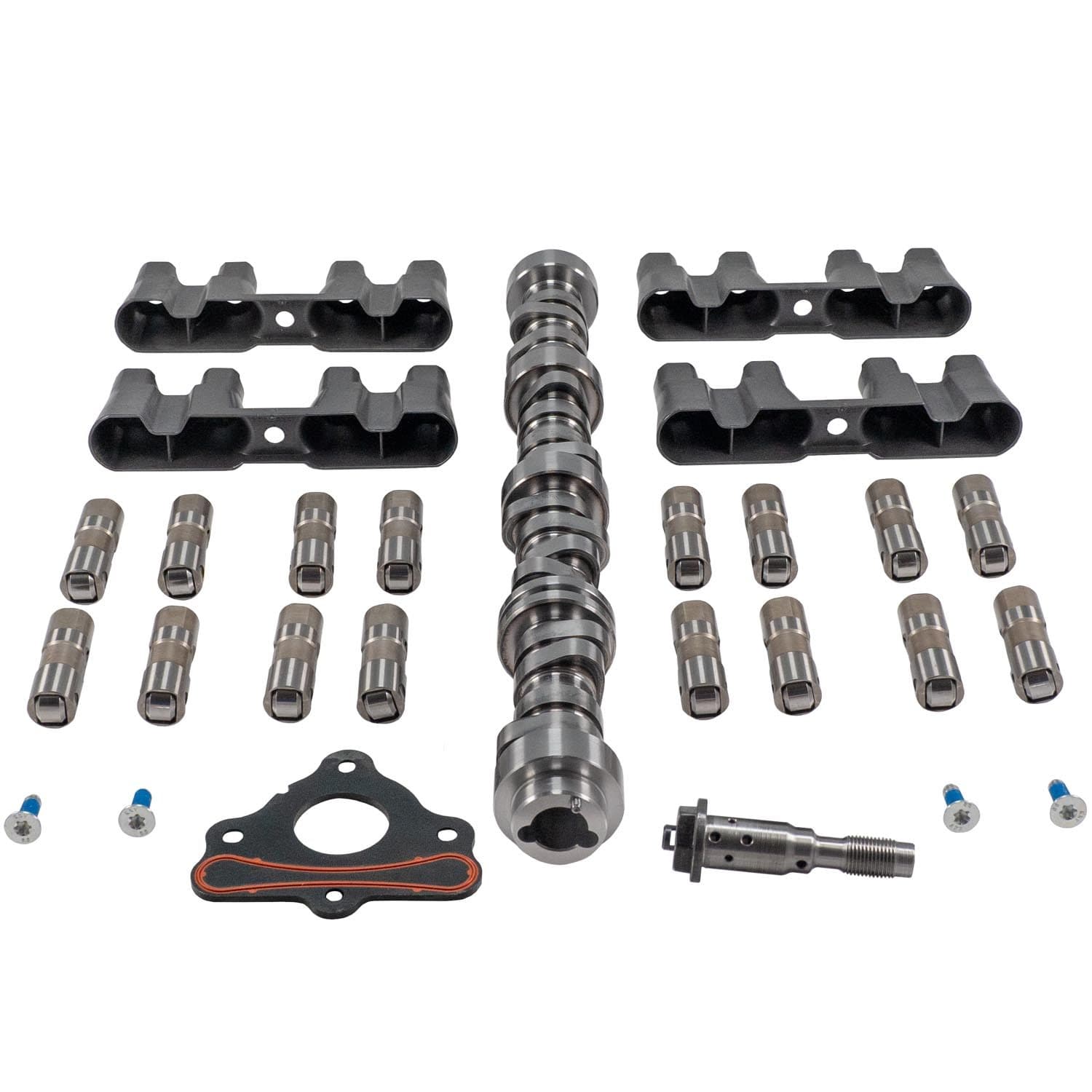
Converted the engine to non-AFM with a Melling AFM delete kit: a non-AFM delete camshaft, sixteen standard single-piece hydraulic roller lifters, non-AFM lifter guide trays, the camshaft thrust plate and the cam phaser oil control valve. Blanked off the valve lifter oil manifold in the valley so the deactivation gallery no longer bleeds pressure, fitted a new oil pump while the front of the engine was apart, and recalibrated the PCM with HP Tuners so cylinder deactivation is switched off in software and the tune suits the new camshaft.
The outcome
A 6.2 with no cylinder deactivation and none of the two-piece lifters that fail — the same 'fix it so it does not come back' call we make on the 5.7 HEMI's MDS, done as one job rather than as a repair that waits to repeat.
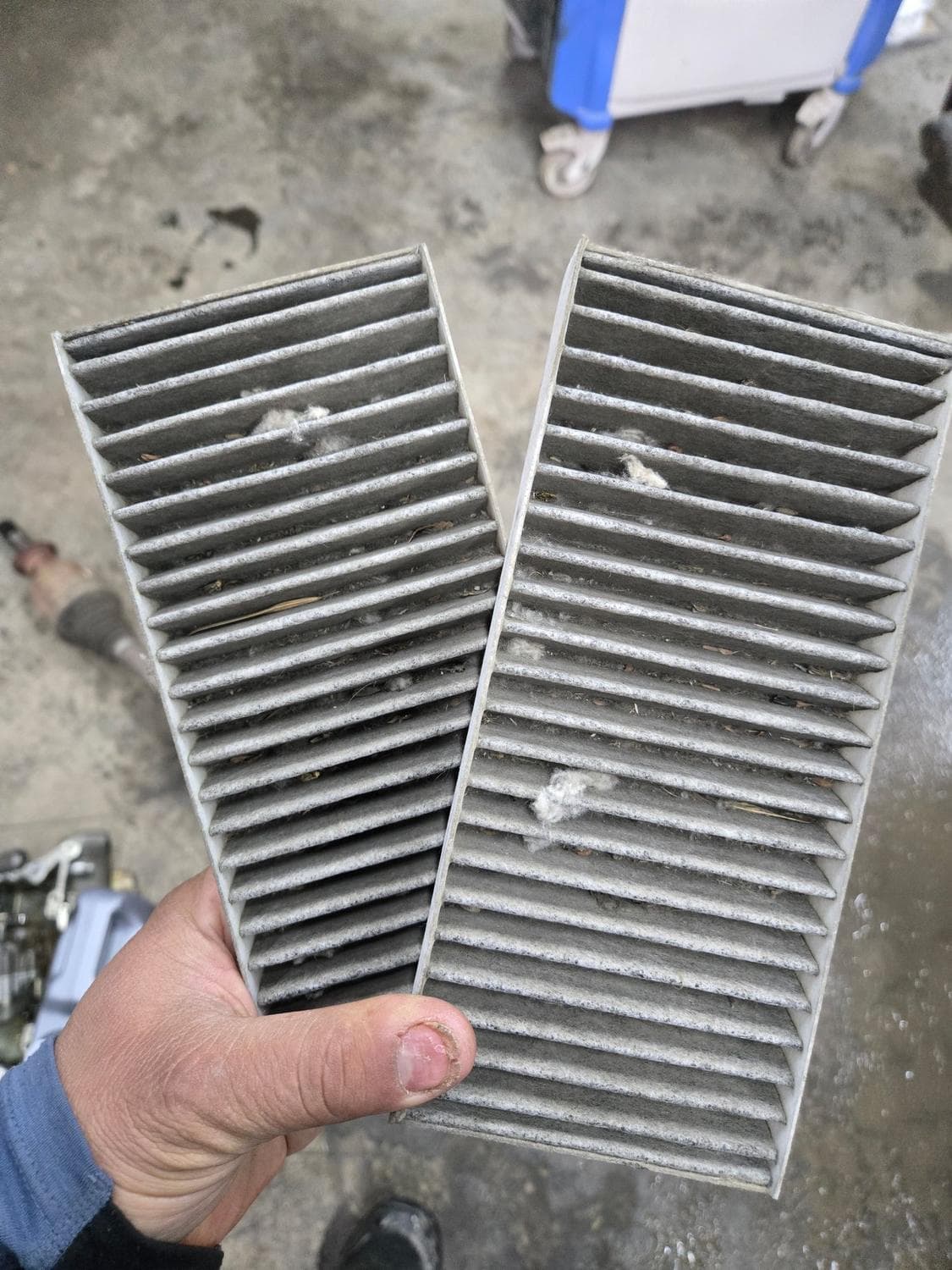
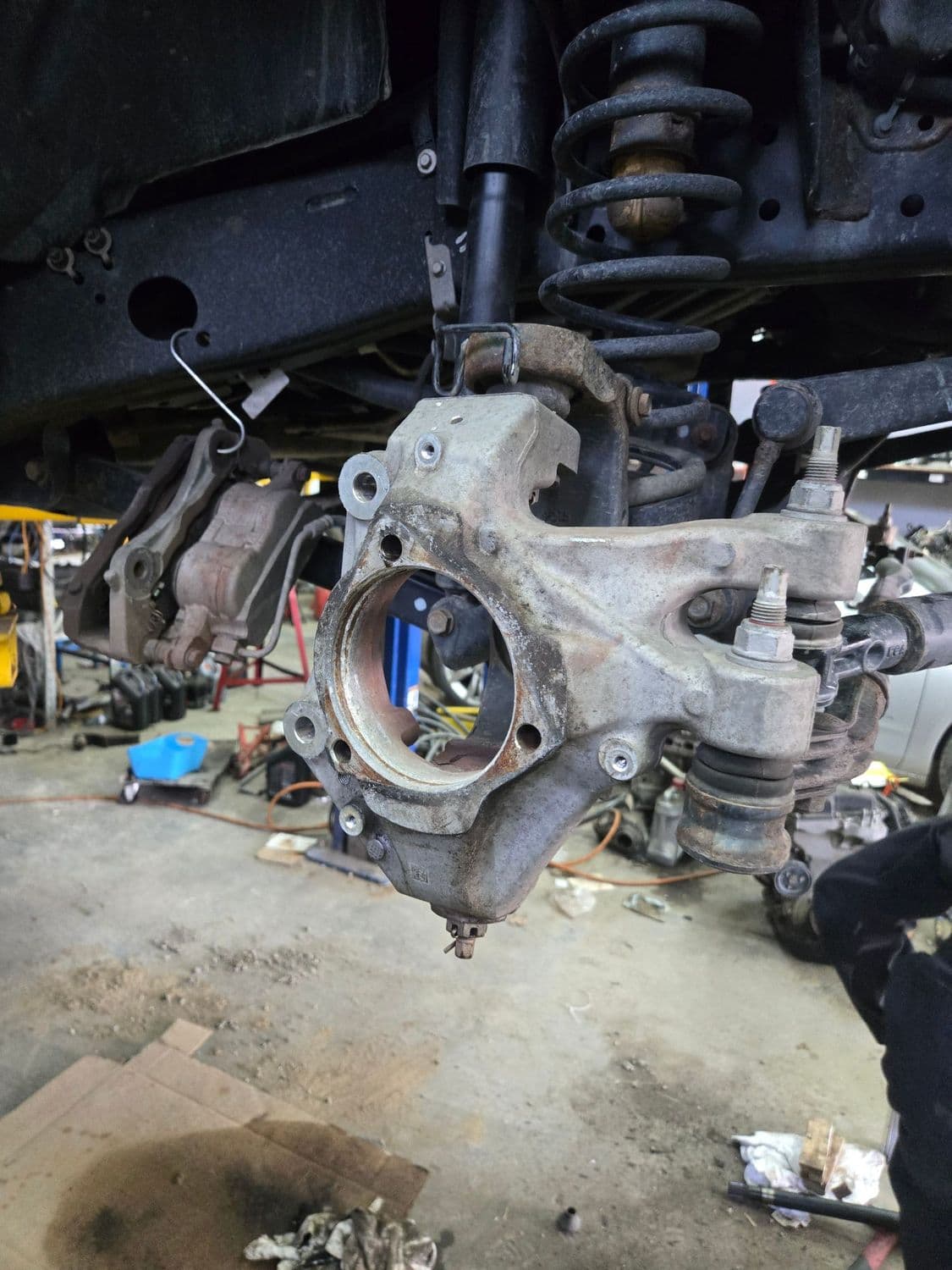
Photos from the job
Our own bays, our own bench — no stock photography.
Background
What to know about the 6.2L EcoTec3 V8 (L86)
General background on this engine family — not findings from the job above.
How Active Fuel Management works on GM's 6.2L EcoTec3
The 6.2L EcoTec3 is a cam-in-block pushrod V8 with two valves per cylinder, sixteen valves and sixteen lifters, and Active Fuel Management rides on top of that ordinary layout rather than replacing it. Eight of those sixteen lifters, the intake and exhaust pair on each of cylinders 1, 4, 6 and 7, are two-piece units: an outer body that follows the camshaft lobe, an inner body that pushes the pushrod, and a locking pin that holds the two together. Oil pressure is the switch. A valve lifter oil manifold sits in the engine valley and feeds each of those lifter bores through its own passage. When the pin releases, the inner body floats, the lobe's motion is absorbed inside the lifter, and the pushrod never moves. Both valves on that cylinder stay closed, fuel to it is cut, and the trapped air acts as a spring so the piston gives back most of what it takes. The engine runs on four cylinders at light cruise and switches back in a fraction of a second, and only when it is warm, the load is light and road speed is steady.
Why a two-piece AFM lifter fails and a plain one does not
A two-piece lifter has to do everything an ordinary one does and fit the same bore. The locking pin, the bore it runs in, its return spring and the oil passage that drives it all share space with the roller and its bearing, so clearances are tighter and the oil passages are smaller. Small passages are the first thing to suffer when oil is sheared, fuel-diluted or left in too long, and the whole circuit is pressure-operated, so it is only ever as good as the oil feeding it. A lifter that sticks collapsed stops opening its valve and the cylinder goes dead, which is what shows up as a misfire code. A lifter that comes apart or stops rolling takes the camshaft lobe with it, and once hardened material has been through the oil, new parts in a dirty engine is how a truck comes back. One honest qualification: flattened lobes also turn up on cylinders that never deactivate, and on engines built with no AFM hardware at all, which points at the lifter bearings themselves as much as at deactivation. Removing AFM is a durability decision rather than a guarantee.
Why the camshaft gets replaced even when it looks good
This is the step most often skipped, usually in good faith, because a camshaft that measures fine is an expensive part to throw away. The reason it goes anyway is that a factory AFM camshaft is not a uniform grind. The lobes over the four deactivation cylinders are cut to work with a lifter that collapses, and they are not the same as the lobes over the four cylinders that always fire. Fit sixteen ordinary single-piece lifters to that camshaft and eight of them are now riding profiles that were never drawn for them, so four cylinders get valve events that differ from the other four on an engine that is supposed to be running all eight all the time. The result is not usually dramatic. It shows up as the small stuff — idle quality, how the engine takes light throttle, a truck that never quite feels settled — which is exactly the kind of complaint that is hard to chase later and impossible to fix without taking the engine apart again. A delete camshaft is a single consistent non-AFM grind for all eight cylinders, which is why one is supplied in the kit rather than left to the installer's judgement.
The three parts of an AFM delete that have to agree
Cylinder deactivation is not an accessory that unbolts. It is built into the camshaft, the two-piece lifters and their guides, the oil circuit in the valley, and the engine calibration, and changing one means the rest has to agree. The failures come from half-measures. A tune that switches deactivation off in software leaves the original two-piece lifters in the engine, still able to fail mechanically. Going the other way, changing the hardware and leaving the calibration alone, leaves the computer commanding a circuit that is no longer there, which sets codes and drives badly. The oil feed that used to switch the lifters has to be sealed, or the gallery bleeds pressure that belongs somewhere else in the engine. And because the camshaft changes, the calibration has to suit the new one rather than the one that came out. Those are the three parts — the valvetrain, the oil circuit and the software — and a delete that leaves any of them behind is the version owners end up paying for twice.
Why the oil pump gets done at the same time
On a Gen V truck engine the oil pump is a variable-displacement unit rather than a fixed one, and the engine management uses it as part of how deactivation is run. It sits behind the timing cover at the front of the engine, which matters more than it sounds: reaching it is most of the labour, and that labour has already been spent by the time the valvetrain is out. Fitting a new pump while the engine is open costs the part. Fitting one later costs the part and the front of the engine apart a second time. There is a second argument on an engine that has had a lifter come apart, which is that whatever went through the oil went through the pump too. None of that makes a pump replacement mandatory on every delete, and an honest shop will say so, but on an engine already open for a valvetrain failure it is the cheapest it will ever be.
What an Edmonton half-ton does to an oil-switched valvetrain
Everything AFM does, it does with oil, which is why how a truck is driven here matters to it. Short winter trips never get the oil hot enough to drive off the fuel and water that condense into it, and diluted oil is thinner than it should be in passages already small. Long idling does the same thing while adding hours the odometer never records. Extended drain intervals taken from a highway-driven owner's manual do not suit a truck that tows in summer and sits idling in January. None of this is exotic maintenance advice, but on an engine where a locking pin and a narrow gallery decide whether a valve opens, oil that has been asked to do too much for too long is the single thing most often behind the failure. The pattern of symptoms, the affected years and the repair-versus-replace decision are set out in full in our GM 5.3 AFM lifter failure guide, which covers the same system on the smaller engine in the same family.
If you run one of these
- A tick that stays after full warm-up, or a single-cylinder misfire code, is not a wait-and-see item on an AFM engine — the camshaft is usually what is lost next.
- Ask whether the quote includes the camshaft. Reusing the factory AFM camshaft with ordinary lifters is the most common corner cut and the hardest to undo later.
- Ask whether the quote includes the PCM recalibration. Delete hardware with the original tune still loaded will set codes and run poorly.
- All sixteen lifters get replaced, not just the eight that deactivate; mixing old and new in the same engine is how it comes back.
- Have the oil pump priced while the engine is open — it is behind the timing cover, so doing it later means paying that labour twice.
- If a lifter has already come apart, ask what was done about the debris; new parts in a contaminated engine do not last.
- What you give up is the small fuel saving at steady cruise. On a truck that tows or works, that trade is usually worth making.
The background on this failure
GM 5.3L V8 AFM/DFM Lifter Failure and Oil Consumption: The Straight Story
Read the full guide — symptoms, causes and what it costs →More jobs from our bays
See every job →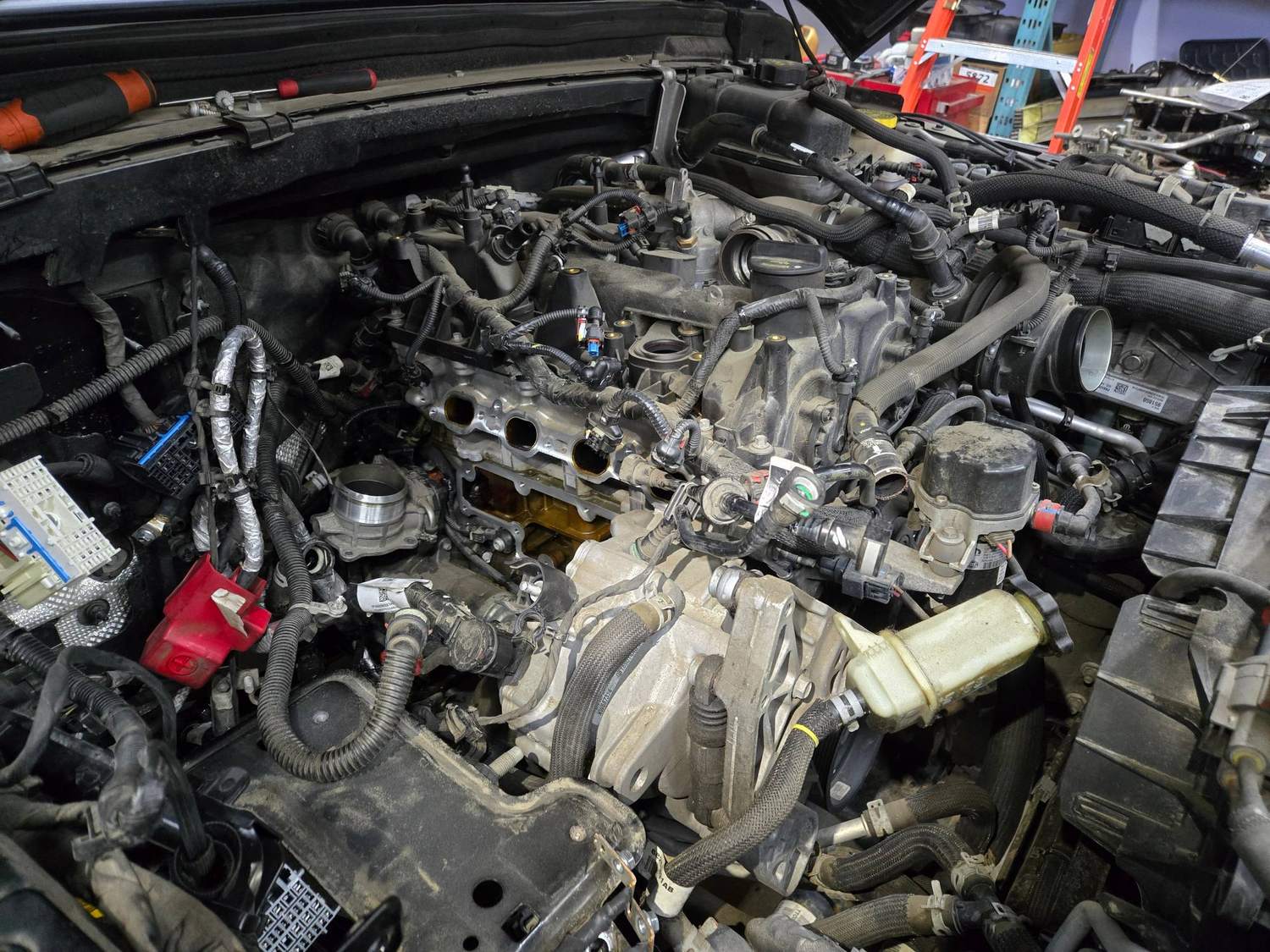
Got a job like this one?
Engine or transmission trouble — call (780) 482-2424 for a straight answer, or send us the details.