
A real job from our Edmonton shop
BMW N20 rebuild + timing chain — 2016 X3 xDrive28i
2016 BMW X3 xDrive28i · 2.0L N20 Turbo
What came in
A 2016 X3 with the N20's known weak point: the timing chain. The plastic guides go brittle, the chain wears and can jump — and on this interference engine that means bent valves and a destroyed engine in a heartbeat.
What we found
The 2.0T needed to be gone through, and the timing chain done properly — the part of the job where a shortcut wrecks the engine.
What we did
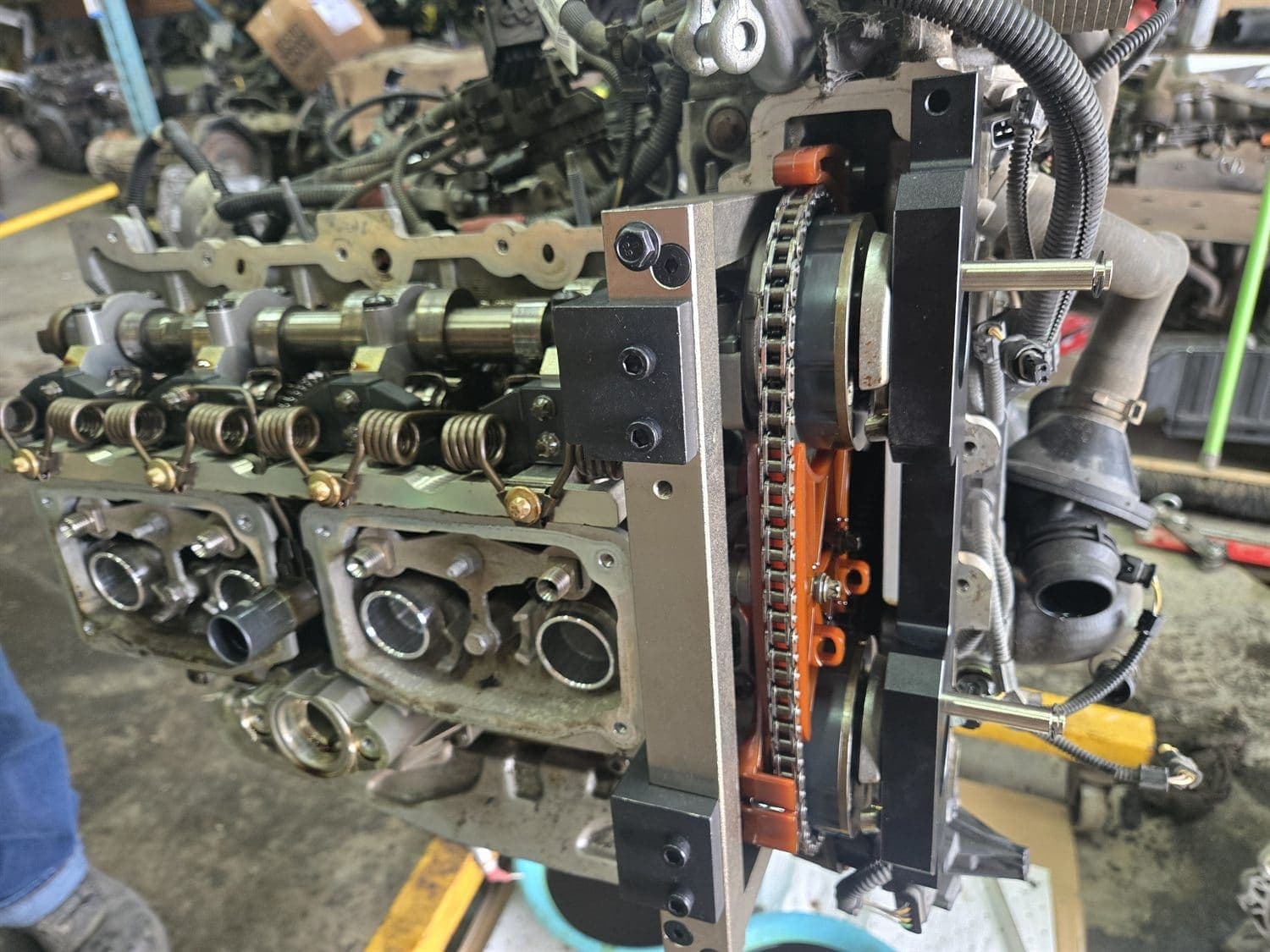
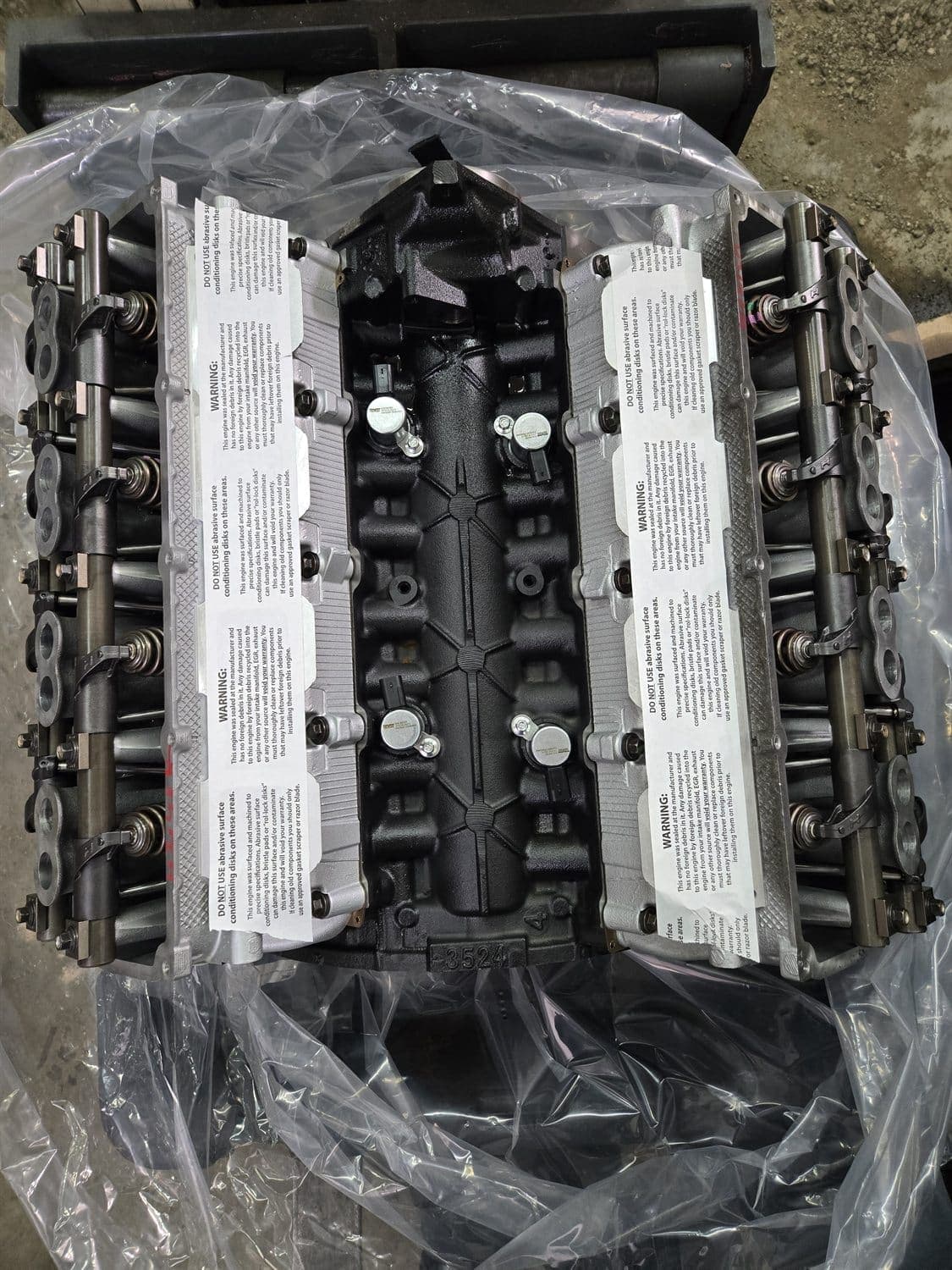
Rebuilt the engine and did the timing job to spec: camshafts held with the correct BMW locking fixtures (the black bridge in the photo), new chain, guides and tensioner, everything set to spec before it came back together.
The outcome
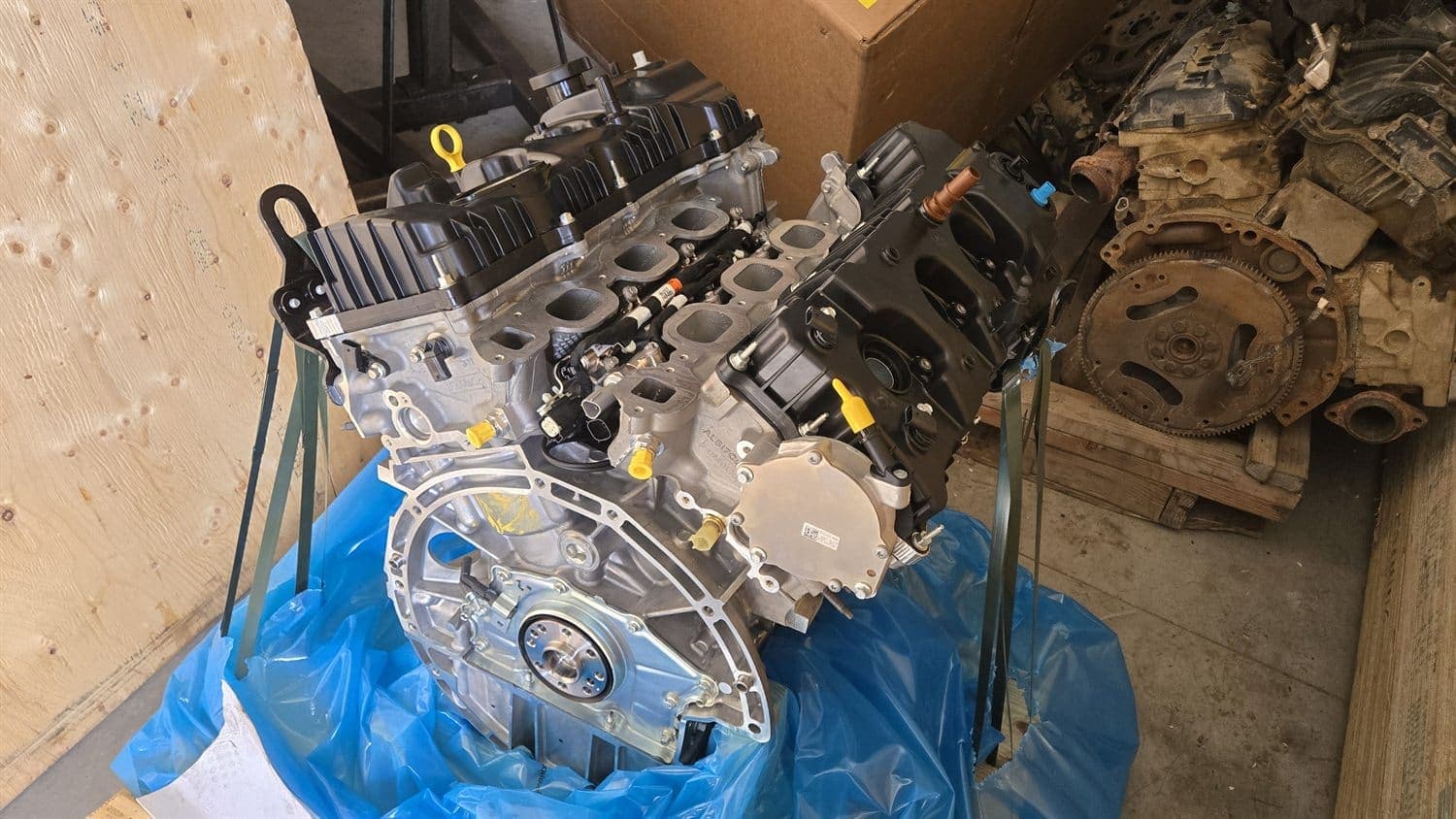
Done right, the N20 is a good engine. This is the kind of European work a lot of general shops send out — we did it in-house, which keeps the cost sane and the whole job under our control.
Photos from the job
Our own bays, our own bench — no stock photography.
Background
What to know about the 2.0L N20 Turbo
General background on this engine family — not findings from the job above.
What an N20 timing chain holds together, and which part of it wears out
The chain ties the crankshaft to both camshafts so the valves open and close in a fixed relationship to where the pistons are. On an interference engine like the N20 that relationship is not negotiable. Pistons and valves use the same space at different moments, and the chain is the only thing keeping them from using it at the same moment. The chain does not run free, either. Curved rails hold it against its path and stop it whipping as engine speed changes, and a tensioner rail loaded by engine oil pressure pushes on the slack side to take up wear. Those rails are plastic for good reasons. Plastic runs quietly against a steel chain, lives in hot oil, and is kind to the links running over it. The steel chain is seldom the first part of the system to give up. The hardware that controls it is, which is why a proper kit is chain, rails and tensioner together, and why a new chain fitted against old rails is work you pay for twice.
Noises on an N20 that get blamed on the timing chain
A new whine or rattle on an N20 gets blamed on the chain, and sometimes that is exactly right. Several cheaper things live close enough to sound the same. At the front of the engine, the accessory belt tensioner and the idler pulleys growl as their bearings wear, and the electric coolant pump these engines use can whir on its way out. Along the top of the engine there are more candidates. The high-pressure fuel pump is driven off a camshaft and ticks audibly at idle with the hood up, which owners regularly take for something deep inside. Direct injectors add their own clatter. The Valvetronic motor and its eccentric shaft sit up there and can make noise of their own. The plastic valve cover carries the crankcase breather diaphragm, and a torn one gives you a vacuum whistle, a rough idle and oil consumption that usually gets blamed on worn rings. Have the noise localized and the live camshaft timing values read before you authorize a chain job, because the fix for each of those is a different bill.
What an N20 chain job settles, and what it leaves open
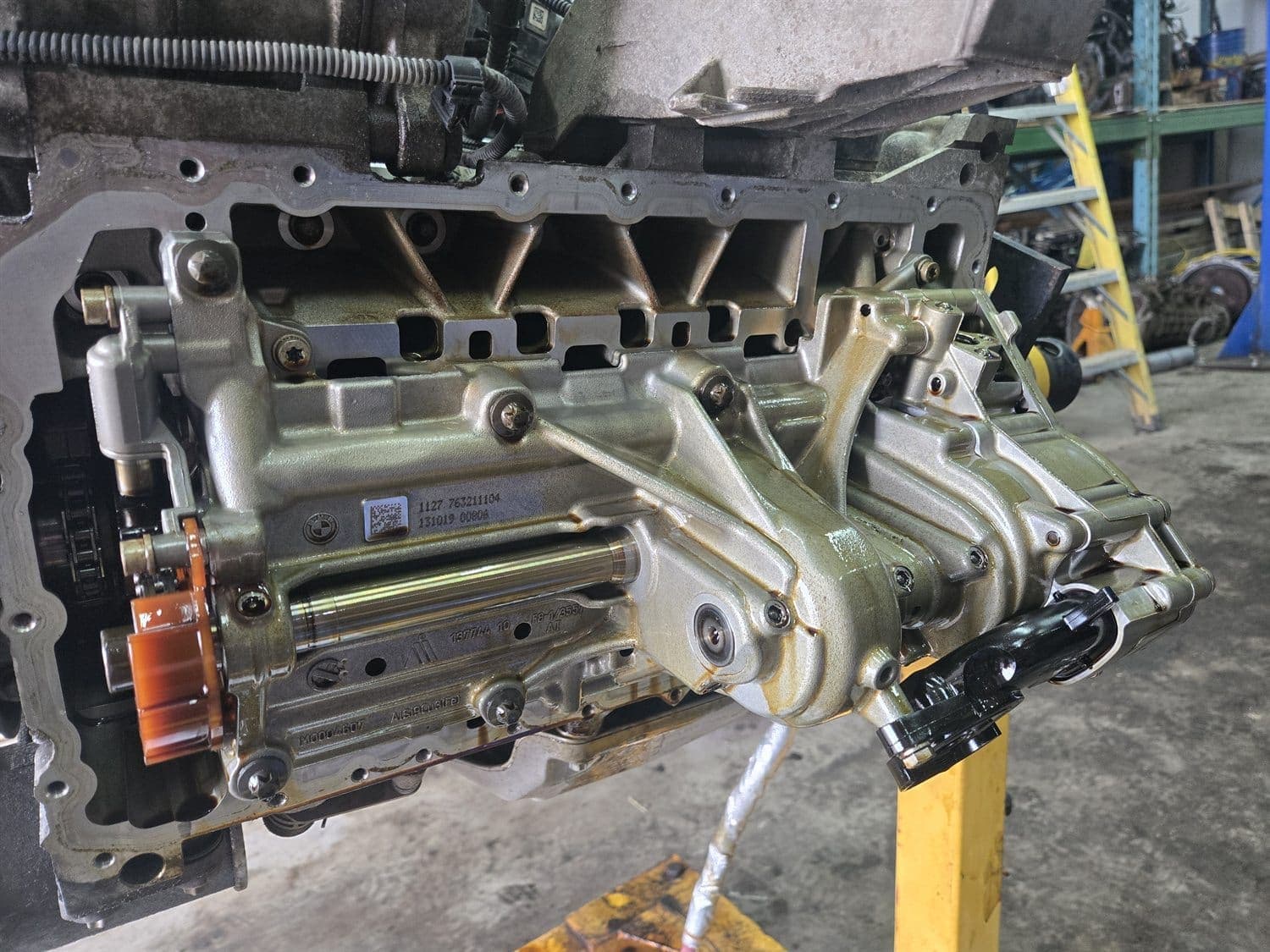
A chain job is work at the front and the top of the engine. It renews what drives the valvetrain. It tells you nothing about the bearings, the bores or the pistons, and once a chain has actually jumped or broken those are the open questions. Broken guide material does not stay where it falls, either. It travels in the oil, so the pan and the pickup screen are part of the picture whether or not the chain ever let go. That is why the realistic options sit on a scale rather than a menu: chain, rails and tensioner on their own, head work on top of that, a full rebuild, or a complete engine in place of all of it. What moves you along that scale is what measurement finds once the engine is apart, how many kilometres the car has already done, and what the rest of it is worth. Supply matters too. Remanufactured stock runs deeper for high-volume domestic V8s than for European turbo fours, so ask what is genuinely available before you compare one option against another.
What else is within reach once an N20's front cover is off
Most of the cost of chain work is the labour to reach the chain. Book time is how any quote gets built, a published figure for the operation rather than a stopwatch, and on an N20 most of those hours are access rather than difficulty. The front of the car goes to service position, the cooling package, belt and brackets come off, and covers come apart before anyone is near a chain. The upside is that everything in that space is then reachable for the price of the parts: belt tensioner and idlers, the electric coolant pump, the VANOS actuators and their solenoid screens, the timing cover sealing surfaces, the oil filter housing gasket that weeps onto the belt, and the valve cover with its breather. The oil pump drive chain is not in that space. It is a separate operation under the engine, and on an xDrive car the front differential and subframe are in the way, so it is its own decision. Expect one-time-use stretch bolts on the parts list, and camshaft locking fixtures and a crankshaft locking pin on the tooling list, because pulling the chain removes the only thing holding the camshafts in phase.
What Edmonton winters and short trips do to an N20
Plug the block heater in when it is deeply cold, and use an oil that meets BMW's own specification and still pumps at Edmonton winter temperatures. A block heater means the engine fires on oil that is already closer to flowing rather than oil behaving like syrup. Short winter trips do the quieter damage. Oil that never reaches full temperature holds on to fuel and moisture instead of boiling them off, the film thins, and everything the chain runs against wears faster. Condensation under the oil cap on a car that only does ten-minute errands is the visible version of that. Heat cycling counts for more than the odometer suggests, too. Every drive takes the rails from whatever the car was parked at up past the boiling point and back, and a climate that parks cars at -35 widens that swing, so the plastic ages on heat cycles and years rather than kilometres alone. Winter brings brine and gravel with it as well: salt seizes fasteners and corrodes brackets and lines, and road debris damages radiator and intercooler cores. Both are cheaper caught early.
If you run one of these
- Before paying for a rebuild, ask what the teardown measured — bearings, bores and pistons — not just whether a warning light came on.
- Have a new whine or rattle localized before you authorize chain work; several cheaper parts under the hood sound similar.
- A chain, guides and tensioner are a matched set — a cheap kit makes you buy the labour twice.
- Ask which front-of-engine parts come at parts cost while the cover is already off: tensioner, idlers, coolant pump, gaskets.
- Rough idle, a vacuum whistle and oil use on an N20 often mean a torn valve cover breather, not worn rings.
- Short winter trips are the hardest kilometres an N20 sees; condensation under the oil cap is the tell.
The background on this failure
BMW N20 / N26 Timing Chain Failure: Symptoms, Costs, and What to Do About It
Read the full guide — symptoms, causes and what it costs →More jobs from our bays
See every job →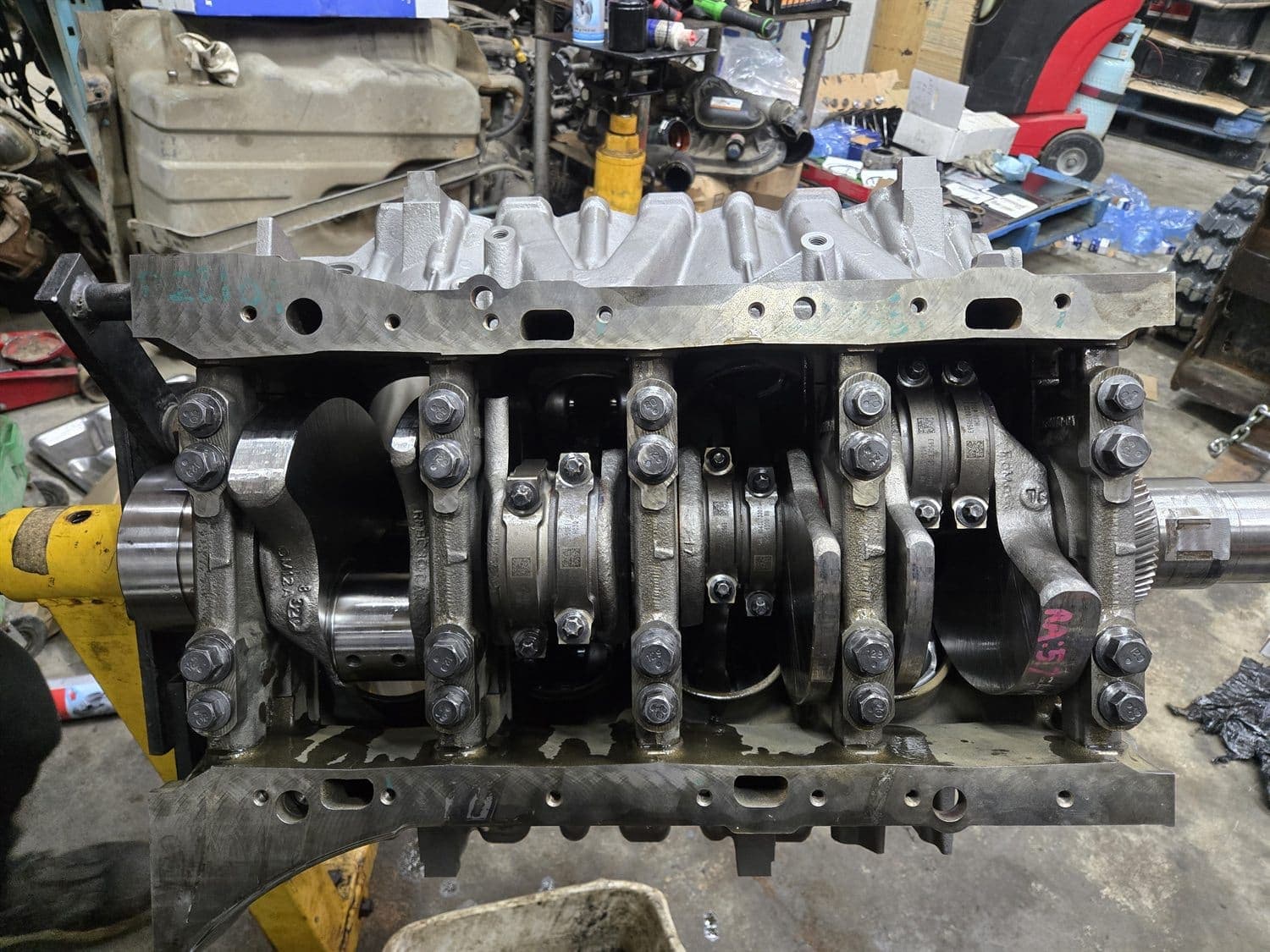
Got a job like this one?
Engine or transmission trouble — call (780) 482-2424 for a straight answer, or send us the details.