
A real job from our Edmonton shop
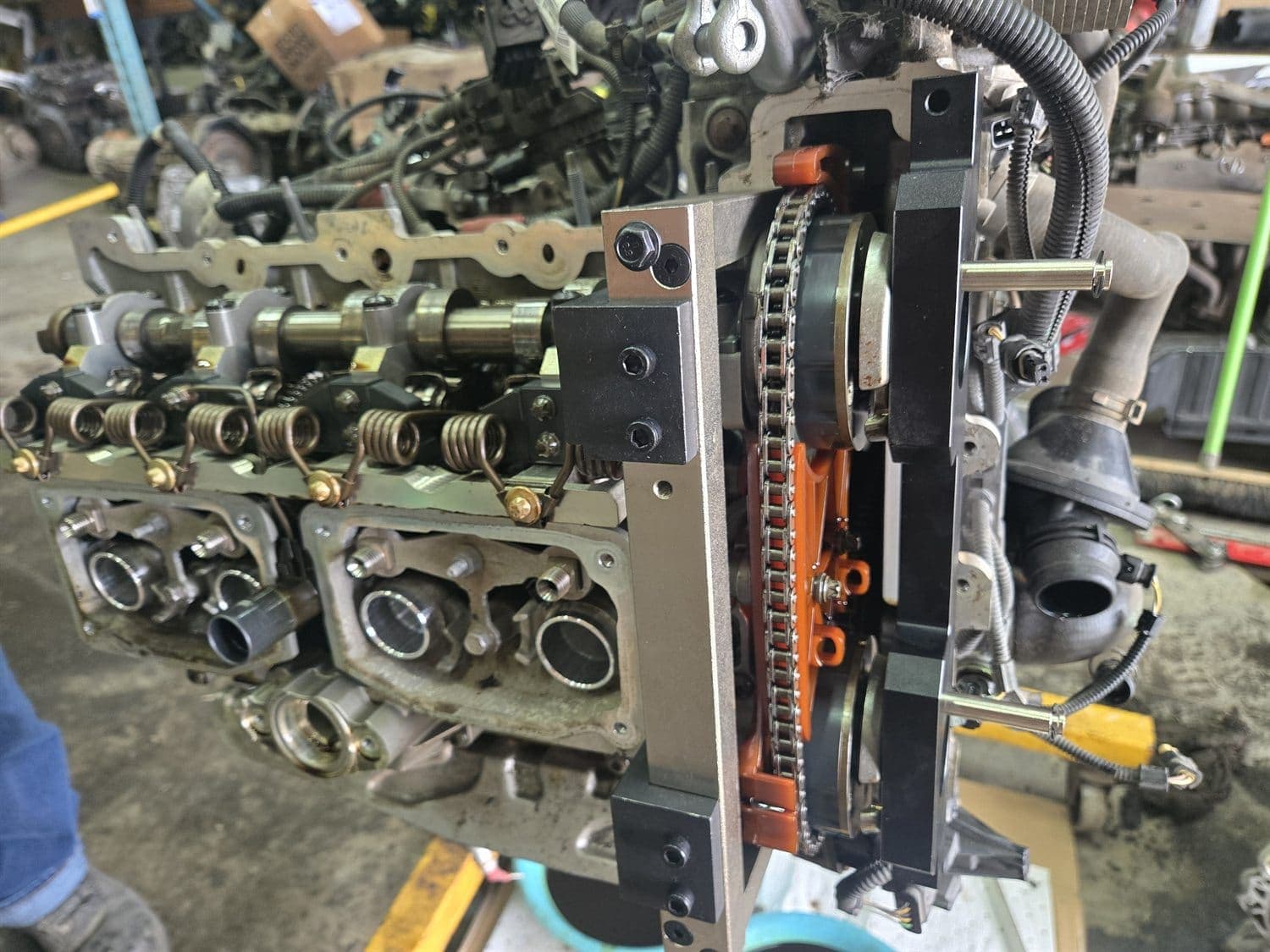
Timing guides and a look at the rod bearings — BMW N20
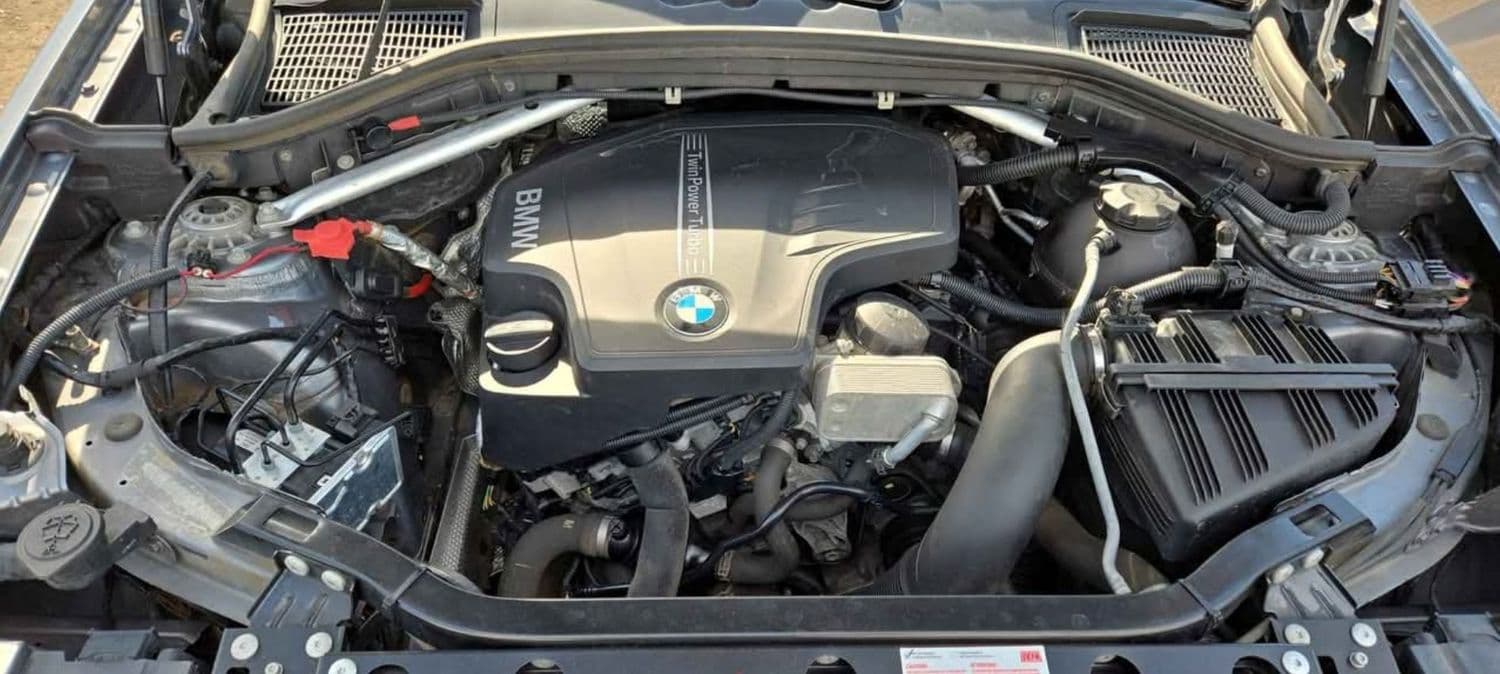
BMW with the N20 engine · 2.0L N20 turbocharged four-cylinder
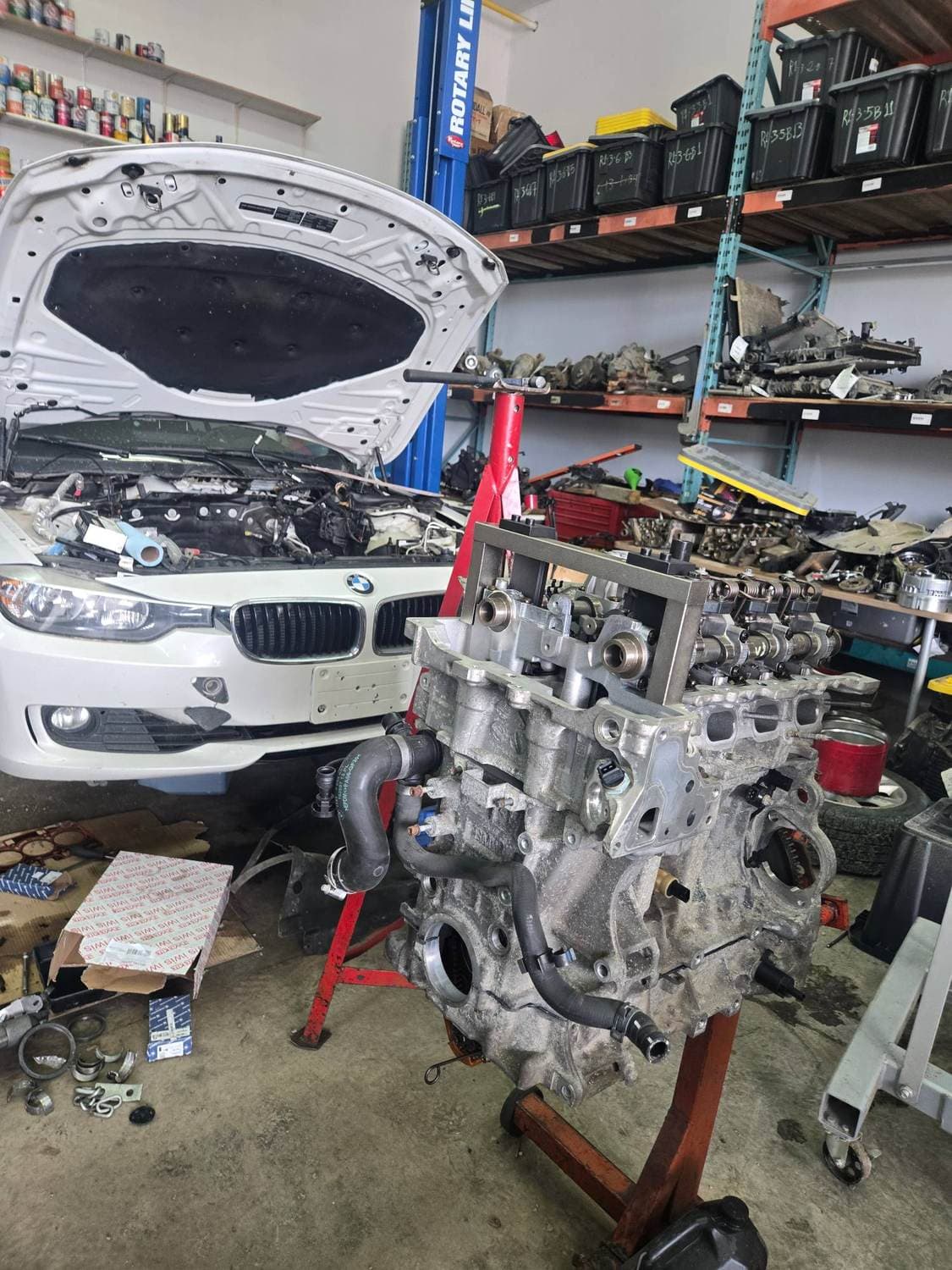
What came in
The N20's known timing failure: plastic chain guides that go brittle with age and heat, then crack and break up, shedding pieces into the engine.
What we found
Broken guide material in the engine is the real hazard rather than the noise, because the fragments collect in the sump where they can obstruct the oil pump pickup. A restricted pickup starves the engine of pressure, and the bearings are what pay for that.
What we did
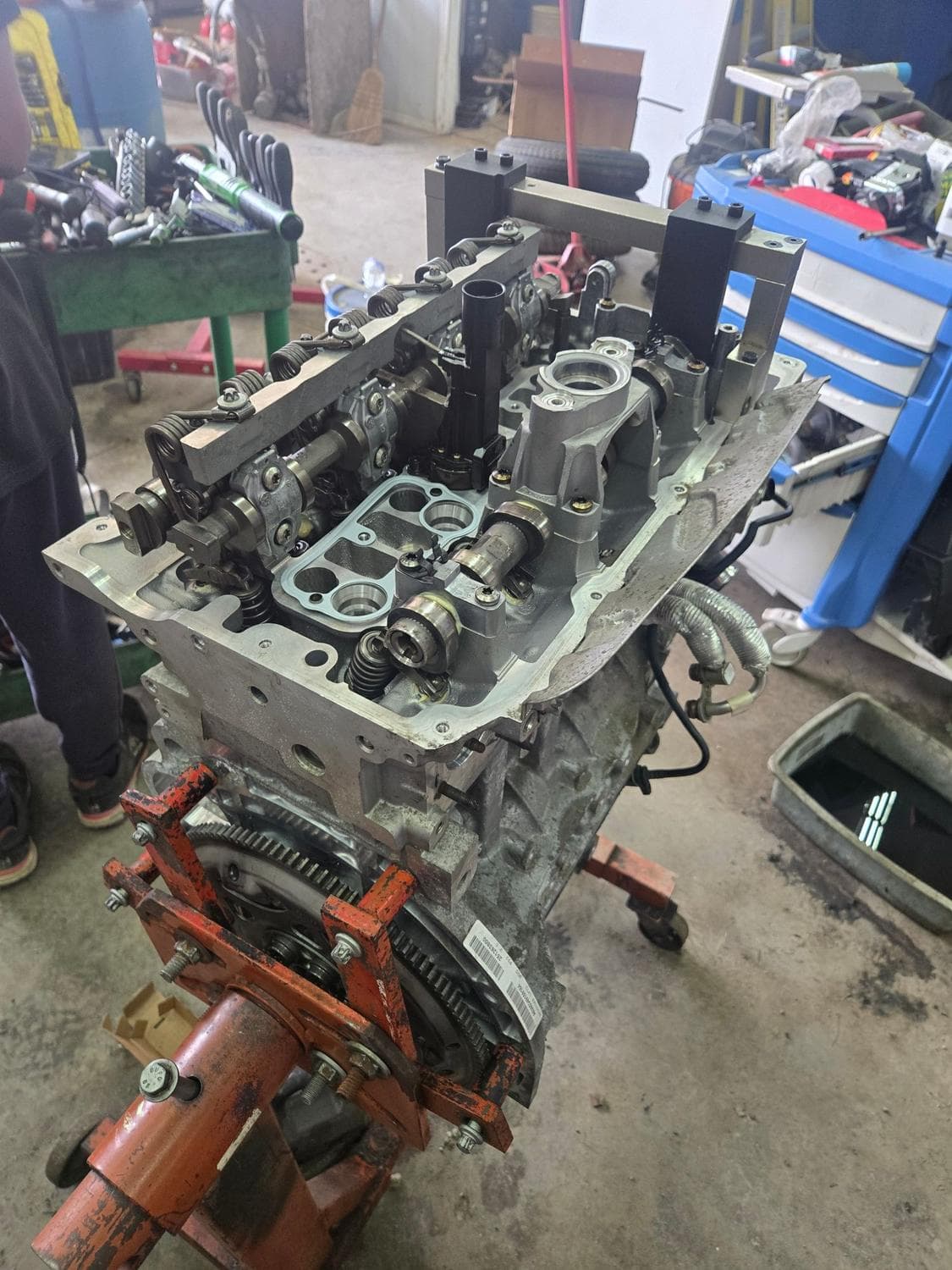
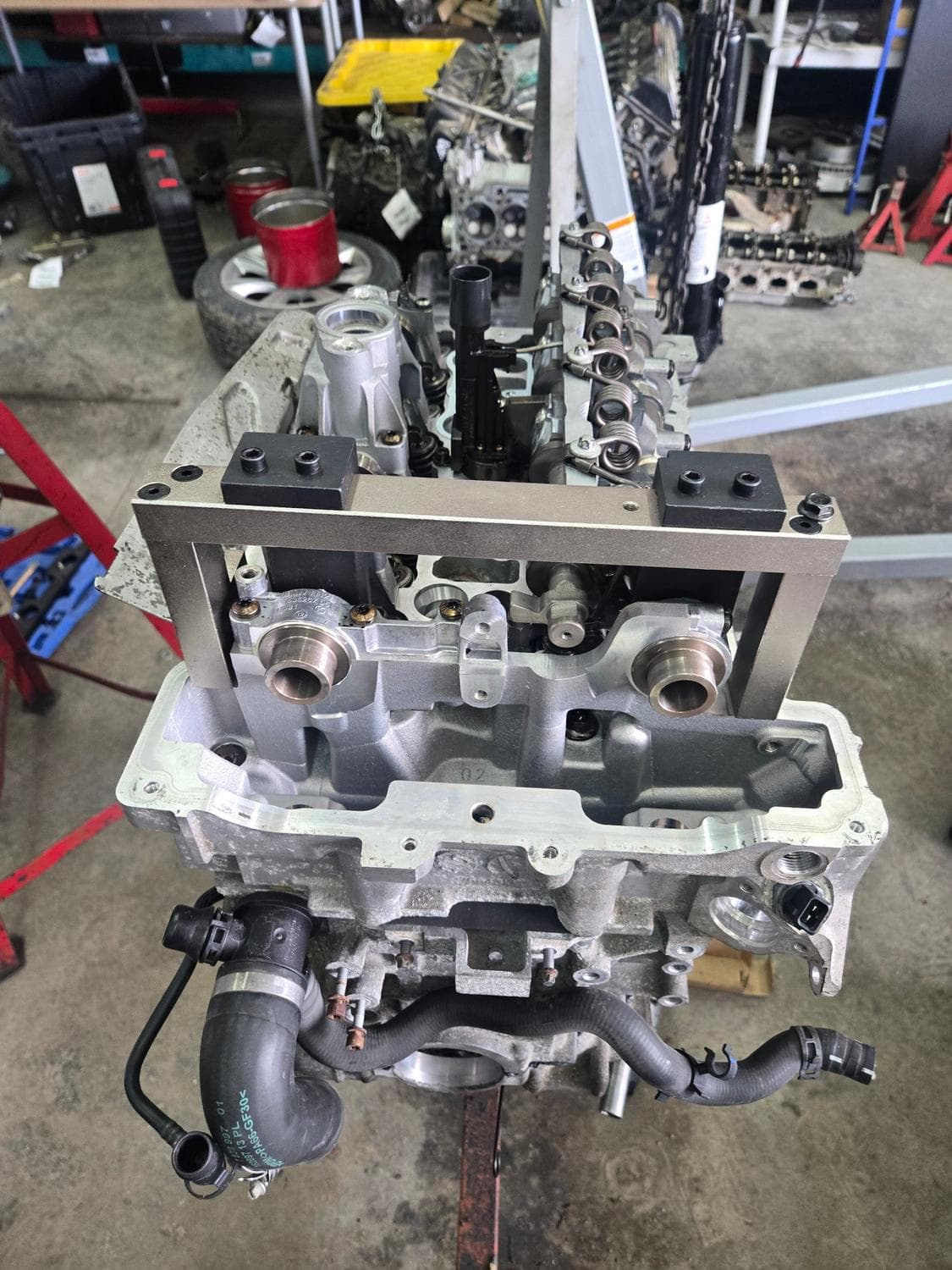
Replaced the timing components with the updated OEM parts, then dropped the oil pan, cleaned every fragment out of the sump, and inspected the connecting rod bearings to establish whether the engine had already been running on reduced oil pressure.
The outcome
Clean bearings, a sump with nothing left in it, and updated timing hardware — so the car goes back on the road with the failure behind it rather than carrying an unknown.
Photos from the job
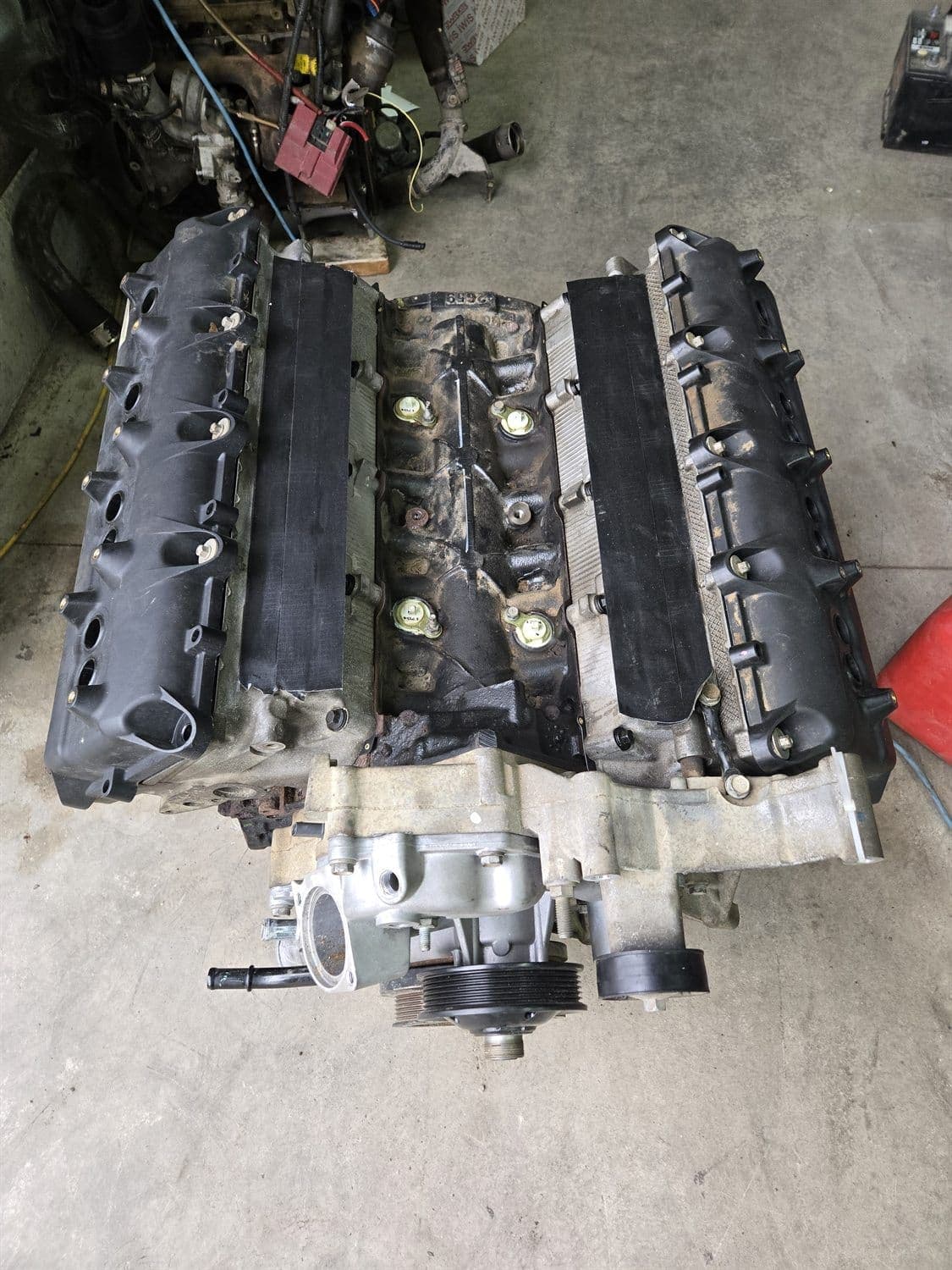
Our own bays, our own bench — no stock photography.
Background
What to know about the 2.0L N20 turbocharged four-cylinder
General background on this engine family — not findings from the job above.
Why the guides are plastic in the first place
It looks like a cost decision and it is not, or at least not only. A timing chain has to be held against a guide along its run, and that guide is in constant sliding contact with a moving steel chain in hot oil. Metal against metal there would wear the chain, make noise and need its own lubrication regime, so manufacturers use a polymer guide face instead: it is quieter, it is kinder to the chain, and in a properly chosen material it lasts the life of the engine. The compromise is that polymers age in a way metal does not. Heat cycling and years of contact with hot oil gradually change the material, and a plastic that was tough when new becomes brittle. Once it is brittle it does not wear smoothly — it cracks, and then it breaks into pieces. On the N20 both the main timing chain and the chain that drives the oil pump run on guides of this kind, which is why a discussion that starts with timing ends up being about oil pressure.
What actually goes wrong, and in what order
The sequence matters because it decides how much of the engine is involved by the time anyone looks. First the guide material embrittles and begins to crack, which produces small hard fragments. Those fragments are carried by oil down into the sump, which is where they collect. Meanwhile the guide that is breaking up is no longer doing its job of holding the chain on its intended path, so the chain develops slack, and slack is what produces the rattle owners hear and what eventually lets a chain skip a tooth on a sprocket. Those are two separate consequences of one failure, and they progress at their own rates — which is why some of these are caught as a noise, and some are caught because something else went wrong first. Hard black plastic fragments in drained oil or caught in the filter pleats are the giveaway, and they are worth looking for at every oil change on one of these engines, because they appear before the noise does.
Why the debris matters more than the noise
A noisy chain is a repair. A blocked oil pickup is an engine. The oil pump draws through a pickup tube with a screen on the end of it, sitting at the bottom of the sump — which is exactly where broken guide fragments end up. Obstruct that screen and the pump cannot draw the volume the engine needs, so oil pressure falls. Everything that depends on a pressurised film of oil between two metal surfaces is then running on less than it was designed for, and the connecting rod bearings are among the hardest-loaded of those surfaces. This is also why low oil pressure on one of these engines is usually a pickup problem rather than a failed pump: the pump is generally fine, it simply cannot get enough to work with. The practical consequence is that cleaning the sump out properly is not housekeeping at the end of a timing job. It is the part of the job that protects the engine, and a timing repair that leaves fragments in the pan has not finished.
Why we pull the pan and look at the rod bearings
Once you accept that the real hazard is oil starvation, inspecting the bearings follows logically, because starvation leaves evidence. Bearings that have run short of oil do not look like bearings that have not: the surface loses its even finish, the overlay wears through to the material beneath, and in the worst cases there is scoring or discolouration from heat. What that inspection buys you is certainty in either direction. Clean bearings mean the debris was caught before it did any harm, the timing repair is genuinely the end of the story, and the car can be handed back without a caveat. Damaged bearings mean the engine has already been running short, which is a much bigger conversation — but having it now, with the engine open and the pan already off, is enormously better than having it later when a bearing fails and takes the crankshaft with it. The pan has to come off to clean the sump anyway, so the inspection costs almost nothing on top. Skipping it saves very little and leaves the most important question about the engine unanswered.
Why updated OEM parts and nothing else
This is an engine whose known failure is a material problem in a specific component, and the manufacturer revised that component. That combination settles the parts question more firmly than it would on most jobs. The whole reason the repair exists is that the original material did not last; fitting a part whose material you cannot vouch for puts you back at the start of the same story, on an engine where the consequence of the next failure is not just noise. The labour here is the overwhelming share of the cost — reaching the timing drive and dropping the pan is most of the work, and it is identical whichever parts go in — so economising on components buys very little and risks all of it. The pattern of symptoms, the affected models and years, and the repair-versus-replace decision on one of these are set out in full in our BMW N20 timing chain failure guide.
If you run one of these
- Look for small hard black plastic fragments in your drained oil or oil filter at every change. They show up before the noise does.
- A rattle on these is not a wait-and-see item. The chain going slack and the pickup getting blocked are two separate consequences of the same failure.
- Ask whether the quote includes dropping the oil pan and cleaning the sump. A timing job that leaves fragments in the pan is not finished.
- Ask whether the rod bearings get inspected while the pan is off. It is the only way to know whether the engine has already run short of oil.
- Low oil pressure on an N20 is more often a blocked pickup than a failed pump — it is worth knowing before a pump is quoted.
- Insist on the updated OEM timing parts. The original material is the failure, and the labour is the same whatever goes in.
- If you are buying a used one of these, ask for evidence the timing has been done, and with which parts.
More jobs from our bays
See every job →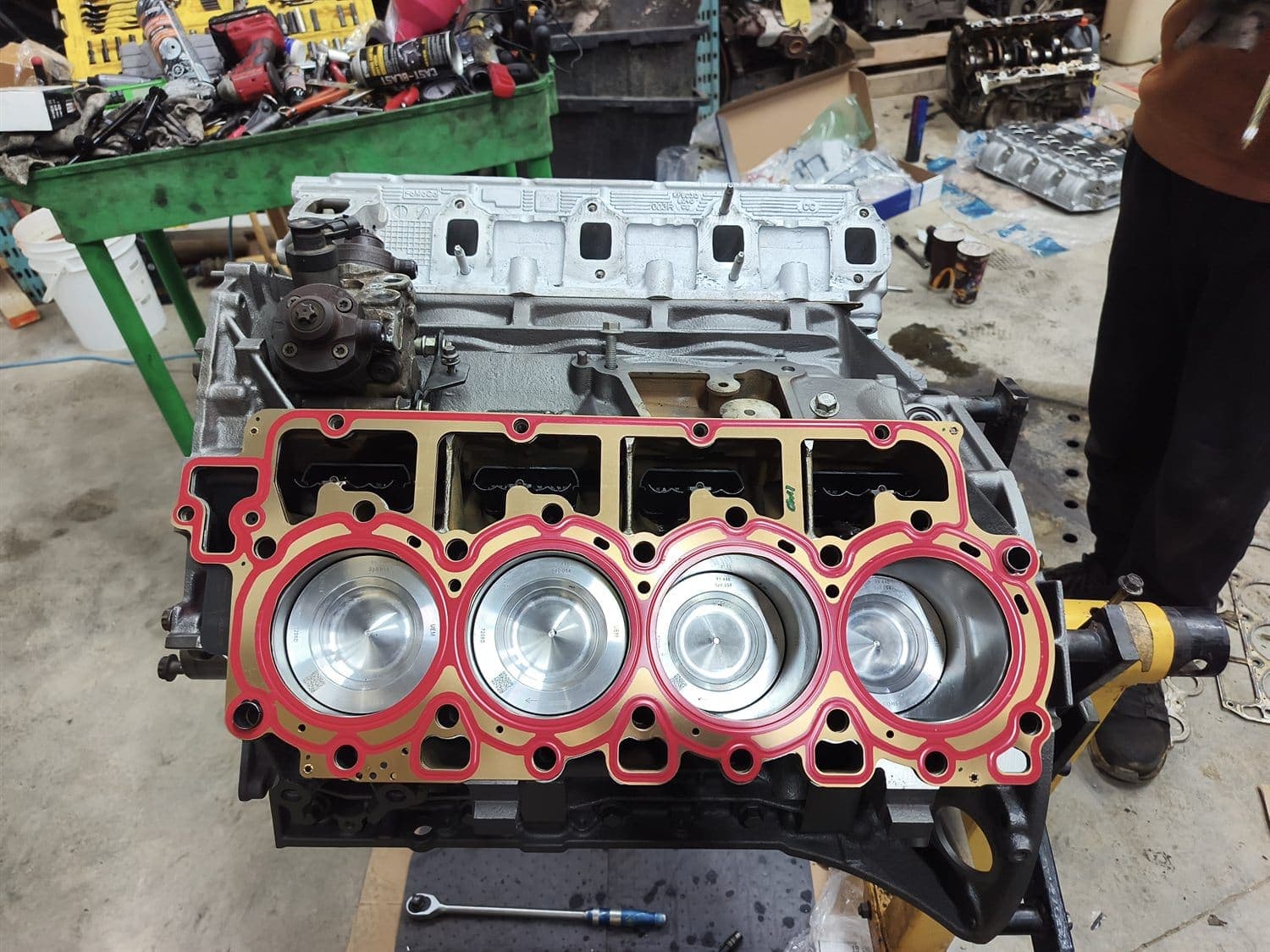
Got a job like this one?
Engine or transmission trouble — call (780) 482-2424 for a straight answer, or send us the details.